The Institute of Canine Biology
  • HOME
  • Blog
  • Breed Preservation
    • Breeding for the future >
      • BFF Breed Groups
    • Breed Status
    • The "Elevator Pitch"
    • What's in the Gene Pool?
    • What population genetics can tell us about a breed
    • What population genetics can tell you...Tollers & Heelers
    • How to use kinship data
    • Using EBVs to breed better dogs >
      • How population size affects inbreeding
      • EBV Examples
    • How to read a dendrogram
    • Global Pedigree Project >
      • The Database
    • Finding the genes without DNA
    • How to read a heat map
  • Courses
    • COI BootCamp (FREE!)
    • Managing Genetics For the Future Open Reg (Open Reg) >
      • Syllabus - Managing Genetics for the Future
    • ICB Golden Retriever Breed Workshop
    • ICB Bernese Mountain Dog Breed Workshop
    • Minicourse: Preserve Genes To Preserve Breeds
    • Basic Population Genetics (FREE)
    • Genetic rescue: the genetics of cross breeding (NEW!)
    • The Biology of Dogs (Open Reg )
    • Genetics of Behavior & Performance (Open Reg)
    • Strategies for Preservation Breeding
    • DNA For Dog Breeders (May2025) >
      • DNA For Dog Breeders (Open Reg)
    • Understanding Hip & Elbow Dysplasia >
      • Understanding Hip & Elbow Dysplasia (Open Reg)
  • Health Data
    • Bloat (Purdue Study)
    • Body Condition Score >
      • % Dysplastic vs BCS
    • Breed Comparions
    • Cancer
    • Cardiac
    • Cataracts
    • Caesareans
    • Deafness
    • Degenerative Myelopathy
    • Elbow Dysplasia
    • Epilepsy
    • Genetic Diversity
    • Genetic Diversity (MyDogDNA)
    • Hip Dysplasia >
      • Hip Dysplasia (Hou et al 2013)
    • Metabolic
    • Inbreeding Effects
    • Inbreeding (Gubbels)
    • Inbreeding (Dreger)
    • Lifespan
    • Litter size
    • mtDNA
    • Orthopedic
    • Mode of Inheritance
    • Patella Luxation
    • Thyroid
    • Portosystemic shunt
    • Purebred vs Mixed (UC Davis)
    • Purebred vs Mixed Breed (Bonnett)
    • Spay & Neuter Effects
    • Calboli et al 2008
    • Hodgman (1963)
    • Scott & Fuller (1965)
    • Stockard: Purebred crosses
    • Summers (2011)
  • Resources
    • Stud Books >
      • American Kennel Club stud books
      • Field Dog stud books
      • The Kennel Club (UK)
    • Genetics Databases
    • Learn
    • Videos about dog genetics
    • The Amazing Things Dogs Do! (videos) >
      • Livestock Management
      • Livestock guarding
      • Transportation, exploration, racing
      • Conservation & wildlife management
      • Detection Dogs
      • Medicine & Research
      • Entertainment
      • AKC/CHF Podcasts
    • Read & Watch
    • Bookshelf
  • Projects
    • How To Interpret Breed Analyses
    • Ilska et al 2025 Figures >
      • # of dogs whole pedigree (Ilska)
      • Percent of Dogs Bred (LReg 2005-15)
      • % Males Bred
      • Imported Sires
      • Proportional Population Growth
    • Afghan Hound
    • More details about the Toller study
    • Belgian Tervuren >
      • Belgian Terv p2
      • Belgians- why population size matters
    • Bernese Mountain Dog
    • Boxer
    • Brussels Griffon
    • Bullmastiff
    • Canaan Dog >
      • Canaan analyses
    • Cesky Terrier >
      • Cesky genetic history
    • Chinook
    • Curly-coated Retriever
    • Doberman
    • Entelbucher Mountain Dog
    • Flatcoat Retriever
    • French Bulldog
    • German Shorthair
    • Golden Retriever >
      • Golden Retriever Pedigree Charts
    • Irish Water Spaniel >
      • IWS (6 Nov 17)
    • Labrador Retriever
    • Manchester Terrier
    • Mongolian Bankhar >
      • Research Updates
      • Bankhar 1
    • Norwegian Lundehund
    • Plummer Terrier
    • Otterhound
    • Portuguese Water Dog >
      • Portuguese Water Dog (pt 2)
    • Ridgeback
    • Schipperke
    • Standard Poodle >
      • The Problem With Poodles
      • 3poodle pedigree charts
      • 3Poodle Wycliff dogs
      • Poodle Genetics
    • Tibetan Spaniel
    • Tibetan Mastiff
    • West Highland White Terrier
    • Whippet
    • Wirehaired Pointing Griffons
    • UK KC Graphs >
      • UK KC Breed Status
      • UK Groups
      • KC Gundogs
      • KC Hounds
      • KC Terriers >
        • Terriers (select breeds)
      • KC Pastoral
      • KC Toys
      • KC Working
      • KC Utility
      • Australian KC
  • Genetics
    • Genetic Status of UK KC Breeds (2015)
    • Heterozygosity (DNA) >
      • Heterozygosity vs COI
      • Heterozygosity
      • High and Low Heterozygosity
      • Heterozygosity Countries
      • Heterozygosity by Breed
      • EU Breed Skull Restrictions
      • Computing Heterozygosity
    • Mortality (Lewis et al 2018)

Health of Mixed breed vs Purebred dogs: what the study by Forsyth et al got wrong

7/3/2024

 
Fueled by concerns about the health of purebred dogs, and supported by the growing list of mutations known to cause genetic disease, there has been much discussion about whether purebred dogs are predisposed to health issues compared to dogs that are not purebred.
The latest addition to the discussion (Forsyth et al 2023) is a study coming out of the Dog Aging Project, which took advantage of a large database (27.5k dogs) including both mixed and purebred dogs with extensive information about the health and welfare of each individual.

The project summary states that "purebred dogs...did not show higher lifetime prealence of medical conditions compared to mixed breed dogs". Furthermore, "a higher proportion of purebred dogs than mixed-breed dogs had no owner-reported medical conditions".

In the purebred dog community, this was hailed as a decisive nail in the coffin of the "myth" that mixed breed dogs are healthier than purebreds. There was what I would characterize as glee in what they saw as confirmation of what most breeders have long asserted, despite warnings from the scientific community (and some smaller groups of breeders) that inbreeding is detrimental to health in dogs, just as it is in humans and other animals.

I was very interested in this paper, given that the information available to date supports the notion that inbreeding is detrimental to health. This study seems to present information that flies in the face of the expectations about dog health that come from an understanding of the genetics of animal breeding. So I gave it a careful review.  ​
Picture
Motivation of the study
The authors recognize that inbreeding in purebred dogs increases the risk of expressing genetic disorders produced by recessive mutations. This leads to the expectation that purebred dogs are more likely to be afflicted by genetic disorders than mixed breed dogs. However, they note that this is not always the case, and that "simpy being purebred may not necessarily be associated with increased disorder prevalence overall" (Forsyth et al 2023).

From this, they describe a study with goals to "estimate the lifetime prevalence of medical conditions among US dogs", and to "determine whether purebred dogs have a higher lifetime prevalence of specific medical conditions compared to mixed-breed dogs".
What does "mixed breed" mean?
​
First of all, we must address the groups the study seeks to compare. "Purebred" dogs by definition can trace their ancestry back to a specific number of "founders". But a dog that is "not purebred" might be any of a diverse array of identifiable supopulations of dogs that we might expect to differ in general health. Among these would be "mixed breed dogs" with multiple identifiable breeds in their ancestry, crossbreed dogs that are the result of crossing two purebred dogs, dogs of identifiable type that were developed and remain outside a restrictive breeding program (e.g., the many livestock guarding breeds that are typical of a particular geographic region and have recognizable type), which might be described as land race, and pariah dogs, the so-called "village dog". The categories are not discrete or even universally recognized as useful subgroupings of dogs, but we need to address them in passing because most of the studies addressing the health of mixed breed vs purebreed dogs do not define what is specifically meant by "mixed breed", and we should expect that the genetic background of these individuals is likely to matter.
What is a "medical condition"?
The data for "medical condition" used in the study were not based on veterinary diagnosis. Rather, they used what they termed "ORMC", owner-reported medical condition. This could include whatever the owner considered a "medical condition". The authors report that "For purposes of the study reported here, we do not attempt to refine, combine or otherwise modify participant responses, and present the data as reported by the participant", and within these they filtered the data to the top 10 most commonly reported ORMC (Forsyth et al 2023).

I have listed these issues identified as "medical conditions" in this table (from Forsyth et al, Table 2). A quick scan down the list shows that there was a broad scope to the conditions listed by owners. They include things like fleas, patellar luxation, cataracts, urinary tract infection, broken toenail, corneal ulcer, kidney disease, lameness, seizures, and chocolate toxicity. You can see that this lists includes bacterial infections, parasites, injuries, organ failure, and neurological disorders, among others. This is a list of the array of potential reasons you might take your dog to the vet for some sort of diagnosis or treatment.

Now, if you remember the motivation of the study (above), it was whether it is true that purebred dogs are more likely than mixed breeds to suffer from a genetic disorder caused by inheritance of two copies of a recessive mutation. 

Picture
A proper test of this would look specifically at disorders caused by recessive mutations. But looking at the list, there is no reason a priori to expect that a purebred dog is more or less likely to have a broken toenail or to have ingested chocolate than a mixed breed dog. By not restricting the list of disorders to those caused by recessive mutations, this study cannot tell us anything about the relative risks to purebred vs mixed breed dogs of suffering from a genetic disorder caused by a recessive mutation.

Many of the "medical conditions" on their list more appropriately fall under the description of "husbandry" issues, and more broadly described as "things that happen to dogs."

Somebody might want to ask if purebred dogs receive better care than mixed breed dogs, or if purebred owners are more likely to participate in a study or respond to a lengthy questionnaire.
But the central question - are mixed breed dogs healthier than purebreds - remains an important one. Indeed, it critical to the defense of breeding within a closed gene pool, and justifying the high levels of inbreeding that result.

​
So here's the deal. We understand the science, so we understand why mixed breed dogs should be healthier than purebreds - if we consider disorders caused by single recessive mutations. (Read more about this HERE). Indeed, this science is the reason that most available DNA tests are for disorders caused by single recessive mutations. The science tells us why these things are true. If it happened that purebred dogs were LESS likely than mixed breed dogs to suffer from genetic disorders, then we would have to conclude that we don't have the science right, and there would be lots of scrutiny to figure out why we're wrong.

​But all indications are that we DO have the science right. If somebody is trying to claim that purebred dogs are just as "healthy" as mixed breed dogs, you can know for a fact that they are not referring to recessive genetic disorders, or they are ignorant of the science.

REFERENCES
​

Forsyth et al., 2023. Lifetime prevalence of owner-reported medical conditions in the 25 most common dog breeds in the Dog Aging Project pack. Frontiers in Veterinary Science 10: 1140417. DOI
​10.3389/fvets.2023.1140417

To learn more about the genetics of dogs, check out
ICB's online courses

***************************************

Visit our Facebook Groups

ICB Institute of Canine Biology
...the latest canine news and research

ICB Breeding for the Future
...the science of animal breeding


BREEDER MYTH- Crossbreeding will produce the disorders of both breeds in the puppies

6/16/2024

 
By Carol Beuchat PhD
In any discussion about crossbreeding (mating two different breeds), somebody will surely claim that the offspring will be afflicted with the diseases of both breeds, or at the very least new mutations hiding in the gene pool will wreak havoc in future generations.

​Is this true?
Since breeding is all about genetics, let's see what science can tell us about this.

First, dominant mutations are expressed with only one copy of the mutation, so if either parent is afflicted you should be able to avoid using those dogs.

​The tricky mutations are recessive. If a dog only has one copy, it is silent. But if a dog gets two copies, then it can't have any copies of the normal gene. Whatever protein that gene was supposed to code for won't be produced, and whatever the protein was supposed to do won't happen, so that dog will have a genetic disorder.
Picture
It turns out that 70% or more of the known genetic disorders in dogs are caused by recessive mutations, so the  problem is that the particular gene is homozygous for the mutant, non-functional allele. When you breed within the closed gene pool of a purebred dog breed, all of the dogs are necessarily related, so they will share at least some alleles. More closely related dogs will have more alleles in common, and some of those will be recessive mutations that can produce a disorder. The best way to avoid producing dogs that are affected by a disorder caused by a recessive mutation is to avoid breeding dogs that are likely to have the same ones; that is, mating related dogs is risky, and the more closely related, the greater the risk. This is why inbreeding produces genetic disease, not just in dogs, but in all plants and animals.
The best way to reduce the risk of genetic disorders caused by recessive mutations is to avoid breeding related dogs, which is a problem in a closed gene pool where everybody is related. Because purebred breeds have been bred within a closed gene pool for many generations, the dogs within a breed will share many mutations, but the dogs in different breeds will not. If you are crossing Breed A with Breed B, and the breeds are not closely related (e.g, Wire and Smooth Dachshunds, English and American Cockers), then the risk of producing a disease in the puppies caused by a recessive mutation will be equal to the kinship coefficient of the pair of dogs, which tells you how genetically similar they are. (The coefficient of inbreeding of a dog is the kinship coefficient of its parents.)

So, if a breed cross will produce pups with predicted genomic COI of 2%, then the risk of producing puppies with two copies of the same recessive mutation is 2% - extremely low. As far as genetic disease goes, a breed cross has a very low risk. And because you understand the genetics of dominant and recessive alleles, you know that the risk of the introduced mutations causing a genetic disorder somewhere down the line will stay very low as long as the mutation is rare in the population, AND you avoid breeding to closely related dogs.

So, introducing new recessive mutations to a breed from crossbreeding won't be a problem unless you break both of Mother Nature's Breeding Rules:

1) Don't make a bunch of copies of a mutation and spread it throughout the gene pool. (Popular sires, we're pointing at you).

2) Don't breed to your relatives.

Get those two things right, and crossbreeding isn't a problem.

In fact, think about this - it is far riskier to breed within a closed gene pool than to crossbreed to an unrelated breed. Some breeders will claim that they won't crossbreed because "they know what's in their lines". How could they if the "bad genes" are recessive and therefore silent? So, you can reject this claim out of hand because it is inconsistent with what we know about genetics. 
If we stick to science, and ignore the arguments and excuses coming from hearts instead of heads, then crossing two breeds will not in fact produce a litter of puppies that is riddled with disease. You might not care for the conformation or other qualities of the puppies, but they will be spared the genetic disorders resulting from inbreeding that normally afflict the breed.

Next time you're at a party with your friends in the dog fancy, grab your favorite adult drink, and when there is a lull in the conversation, boldly claim that crossing two breeds is much less likely to produce genetic disorders in the puppies than inbreeding. Then just sit back, relax, and enjoy your drink.

To learn more about the genetics of dogs, check out
ICB's online courses

***************************************

Visit our Facebook Groups

ICB Institute of Canine Biology
...the latest canine news and research

ICB Breeding for the Future
...the science of animal breeding

It's Westminster time again! But still, there's an elephant in the room.

5/9/2024

 
By Carol Beuchat PhD
Once again, it's time for the yearly pilgrimage to New York for the prestigious Westminster Kennel Club dog show. The airports have an unusually high number of dogs relaxing in the waiting areas, tended to by owners and handlers that look after their every need. It's a big event attended by the elite in the US dog world, and it  attracts a large public attendance as well as national television coverage.
Every year, this show predictably renews the debate about the health consequences of inbreeding in dogs. This year's contribution is an article in the New York Times by Alexandra Horowitz. It contains a useful summary of the inbreeding levels of various breeds in terms the average person can understand, like cousins or full siblings. There is also a quick quiz that asks you to identify the relative level of inbreeding in pairs of breeds. (There are probably some surprises here!)
But the meat of the article highlights again this year the consequences of inbreeding on dog anatomy, physiology, behavior, and - of course - health. The point is that, deliberately or not, we are sacrificing health and welfare for certain traits that we deem desirable, like head shape, fur type, and body size.
Picture
​Horowitz correctly notes that the link between inbreeding and health is not a recent insight. Breeders have been aware of the tradeoffs between inbreeding and health for a century. Yet, many breeders stress a focus on health in their breeding program while inbreeding continues unabated, despite the clear and convincing evidence that inbreeding takes a toll on the health of dogs.
There is no shortage of information about genetic disorders in dogs (Google, of course), and quite a bit about what needs to be done to improve things. Yet here we are again this year, off to an event that celebrates the beauty and function of the purebred dog, and where we will avert our gaze from the genetic issues that slowly erode away the DNA coding that produces every individual of every breed. 
I will be watching the WKC Kennel Club dog show this year, to enjoy the beauty and incredible diversity of this remarkable animal, the dog. But once again, I will worry about whether we will heed the warnings of the biologists and breeders of other domestic animals that, with every new generation, we are gambling with the future of a breed by putting short term gain before the obligation to breed in a way that protects the unique genetic package that defines the essence of each breed.

To learn more about the genetics of dogs, check out
ICB's online courses

***************************************

Visit our Facebook Groups

ICB Institute of Canine Biology
...the latest canine news and research

ICB Breeding for the Future
...the science of animal breeding

Genetic management of purebred dogs: what you need in your toolbox

3/29/2024

 
By Carol Beuchat PhD
Breeders want to produce puppies that are healthy, long-lived, and have the type and traits that define the phenotype and behavior of the breed. The main tool used to guide breeding decisions is the pedigree, which records the history of the dogs in the breed. This can be paired with health and trait information to select dogs for mating that are likely to produce the desired offspring.
This is how we have bred purebred dogs for more than 100 years. In the last decade, the development of DNA tests for specific genes has allowed breeders to "see" what they're doing, allowing selection of dogs that have specific genes for traits as well as those carrying deleterious mutations, taking some of the guesswork out breeding for phenotypic traits like coat characteristics (color, long or short, straight or curly, etc) or body size, as well as an ever-increasing list of mutations associated with diseases or disorders. 
The ability to know the genotype of specific genes in the DNA of an individual dog represents a potentially huge advance in the ability of the breeder to improve the accuracy of selective breeding. Despite this, breeders still struggle with new genetic issues to manage that arise as a result of the unmasking of recessive mutations by inbreeding.

To control inbreeding and reduce this problem, breeders need good information about the genetic relatedness of individual dogs. They could get at this using a pedigree database, but few breeds have the complete pedigree information necessary because of missing data or errors. Because of this, the information about relatedness that would be enormously helpful in making breeding decisions is currently unavailable to breeders.
 
Picture
​Addressing the pedigree problem should be at the top of the list of things breeders should do to improve the ability of breeders to control inbreeding and the expression of genetic disease. ​​
Breeders are familiar with the standard 5 (or more) generation pedigree chart that shows ancestors of a specific dog. However, most breeders are not familiar with the treasure trove of information that can be extracted from a pedigree database. Here are some of the statistics about a breed that can be extracted from a pedigree database and which should be part of every breeder's toolbox for proper genetic management. These terms are "jargon" and likely unfamiliar to you - and they go by somewhat nerdy names - but fear not. Keep the definitions in front of you for reference, and look up definitions as necessary when you review the data for your breeds or others. 
To make the best possible breeding decisions, breeders should have these tools in their tool box. 
Effective number of founders (fe)
Most breeds go back to a small population of "founder dogs", those individuals that contributed to the allelic variation in the original population. The genes in these founders define the size of the original gene pool. However, some of this original diversity is lost over time due to genetic drift (random chance) and selection, so the current population's gene pool will be smaller.

To estimate the size of the current gene pool, we can compute the "effective number of founders" (fe). This is an estimate of the number of founders that would produce the current genetic diversity of the population if all contributed equally to subsequent generations. This is a measure of the fraction of the genes contributed by the founders that still remain in the population. Alternatively, it represents the fraction of the original genetic diversity of the breed that has been lost due to genetic drift or selection.
Founder genome equivalents (fg)
This is the number of hypothetical founder dogs that could produce the same genetic diversity of the current population if each founder contributed equally and there was no loss of founder alleles through genetic drift. 
Effective number of ancestors (fa, fe/fa)
The statistics for the effective number of ancestors, fe, is the minimum number of ancestors - which can be founders or not - needed to explain the genetic diversity of the current population. If there have been no population bottlenecks, fa will equal fe. The number and severity of bottlenecks will be reflected in the ratio of fa and fe. If fe/fa is equal to one, the genetic diversity in the current population is the same as in the ancestors; that is, there has been no loss of genetic diversity due to a bottleneck. Most dog breeds have suffered population bottlenecks as a result of wars, disease, changes in the need for particular types of dogs (e.g., herding), or fluctuations in popularity. The higher the ratio fe/fa, the greater the magnitude of the genetic bottleneck.
Mean kinship (MK)
This is an index of the average degree of genetic similarity or relationship between an animal and other members of the population.  An animal with many relatives in the population will have a high degree of genetic similarity to many animals, and its MK value will be high; an animal with few relatives will have a low MK.  Animals with no relatives in a population have MK = 0%.  Consequently, animals with lower values of MK are genetically more valuable in the population because they carry alleles that are uncommon or rare.  Every time an animal is born or dies in the population, the MK of all of the animals change because alleles in the new animals become more common and those in the animals that die become less common.  The  coefficient of inbreeding of an animal is equal to the kinship of its parents; so the greater the genetic similarity between two animals, the greater the risk of inheriting two copies of the same allele.
Effective population size (Ne)
Effective population size is the size of an "ideal" population of animals that would have the same rate of inbreeding, or decrease in genetic diversity due to genetic drift, as the real population of interest. It is not the same as census size, which is the actual number of individuals in a population. Ne reflects the "genetic size" of the population in that it depends on the number of animals that are breeding, which will always be less than the census size of the population. The rate of inbreeding in a population increases as Ne get smaller, so it tells you about the "genetic behavior" of the population in terms of how fast inbreeding will increase in the future. For a sustainably breeding population, the value of Ne should be at least 100, and some recommend at least 500 (the rate of inbreeding will be slower with higher Ne).
Equivalent Complete generations (EqG)
This is an estimate of the completeness of the pedigree database you are using. Missing data will reduce EqG and result in underestimation of inbreeding calculated from a pedigree database. A more complete pedigree database will have a higher EqG. 
These five statistics computed from a pedigree database should be available for every breed as the basic tools that can be used to offer insight into the present genetic status of your breed. The are fundamental to genetic management plans to control inbreeding (and therefore genetic disease) as well as mating strategies to protect genetic diversity. Instead of flipping through piles of printed pedigrees trying to estimate inbreeding and relatedness of individual dogs, these statistics provide quantitative information that can help you make the best possible breeding decisions. 
 Here are some examples of these statistics for a variety of breeds (from Mabunda et al 2022).

Picture
A quick look at these data can tell you about the genetic status of each breed. For example, the Finnish Spitz has the most complete pedigree database of these breeds (EqG = 10.88), so the statistics for this breed will be more reliable  than for other breeds with lower EqG. The inbreeding coefficient (F) for the Finnish Spitz calculated from the pedigree data is 6.33%. As explained above, this is much lower than the inbreeding coefficient determined from DNA (F = 28.5; Bannasch et al 2021). The ratio of fe/fa (1.5) indicates a loss of some of the genetic diversity that was present in the founder population. The values of Ne range from 384 (Ca de Bestiar) to only 3.2 (Bouvier des Ardennes), and the value for Finnish Spitz is 75.53. 
​
​Ne can be increased by balancing the number of male and females used in breeding. Since fewer males are used than females in most breeds, the simple solution to low Ne is  increasing the number of males used in the breeding program.
The data for these breeds can give you an idea of the genetic health of each breed. Some have small founder populations (e.g., fe = 3; based on the pedigree data), and only two populations have gene pools greater than 100 (fe = 117 and 205.5, for Border Collies in Hungary and Australia, respectively). Some breeds have dangerously low Ne (Bouvier des Ardennes), some have experienced a significant bottleneck (Border collie, Hungary), high inbreeding (36.45% and 44.7%, for Czech Spotted dog and Bouvier des Ardennes, respectively.

This information about a breed can give you a "heads up" spot check of a breed's genetic health. Having a large population size can be very misleading, but beyond the number of dogs and maybe an underestimate of the inbreeding coefficient, breeders do not have the basic information about the genetics of the population that is summarized here.
These statistics are essential tools that should be in the breeder's toolbox. Of course, every breed should have a good pedigree database, and if yours doesn't already this should be motivation to remedy this. If you do have a good pedigree database, these statistics can be computed for your current breed population, and refreshed to reveal the consequences of breeding decisions on genetic health.

If your breed does not have a good pedigree database, urge your fellow breeders to work on this. The database should be global and should go back as far as possible. 

With a pedigree database in hand, I can generate the statistics I describe here to provide the first window into the current genetic status of your breed. If you are breeding for preservation and health, this information is essential.

REFERENCES
​

Bannasch et al 2021 The effect of inbreeding, body size and morphology on health in dog breeds. Canine Medicine and Genetics  8:12. https://doi.org/10.1186/s40575-021-00111-4.

Mabunda et al 2022 Evaluation of Genetic Diversity in Dog Breeds Using Pedigree and Molecular Analysis: A Review. Diversity 14:1054. https:// doi.org/10.3390/d14121054.

To learn more about the genetics of dogs, check out
ICB's online courses

***************************************

Visit our Facebook Groups

ICB Institute of Canine Biology
...the latest canine news and research

ICB Breeding for the Future
...the science of animal breeding


Does your breed need genetic rehabilitation? Here's where to start

3/17/2024

 
By Carol Beuchat PhD
I am often contacted by breeders that are concerned about inbreeding and loss of genetic diversity in their breed. They recognize that these things matter over both the short and long term, and that they affect the burden of genetic health issues in the breed. The question from the breeder is "What do we do about this?"
Invariably, they bring up the issue of what dogs they should cross to, either individuals in the breed, or other dogs that are completely unrelated (e.g., another breed, mixed breed, etc.)

Breeders always want to discuss this right from the start. But, for a genetic rehabilitation project, you need to identify the specific problems you need to solve before you make decisions about what to do. The "What do we do" questions will get answered after we first ask "What are the genetic problems that need to be solved?"
The first thing you need is information about the genetics of your breed. At the top of list will be information about the inbreeding and genetic diversity of the breed. You can determine these using either pedigree databases or DNA genotypes.

To make a decision about whether to analyze pedigrees or genotypes, you need to know what information each can produce. Both have limitations and advantages, and there are also considerations of cost and whether the information is even available.

​When you get to this step, it's worth evaluating both options very carefully so you make the best decision to suit your purposes. In fact, however, having information from both pedigree and DNA analyses will be more powerful than either alone. If you are expecting to do the "whole enchilada" analysis,  then you can simply prepare to do both.
The Norwegian Lundehund is undergoing genetic restoration through a crossbreeding program that is now producing dogs of good type that are healthy and fertile.  (Melis et al 2022).
Picture
Genetic analyses, whether from pedigrees or DNA, will produce information containing a bunch of terms you are probably not familiar with. To use this information, you will need to understand the vocabulary and what the data produced can tell you. Do not think you can learn this stuff from chats in Facebook groups. If you're going to put in the time and make an investment in doing these analyses for your breed, please take the ICB online courses. I am not aware of any other educational resources that are developed specifically for dog breeders and that cover the essential information while requiring no background in science. You need to invest some time in your own education or you won't know how to use the information from data analyses. Remember, the goal here is to figure out what breeders need to do to solve specific genetic problems in the breed. For this, you will need to understand the information provided. Take the courses. 
I have created a table (below) with some information about the types of basic information that you can extract from both pedigree data and genotypes. In general, I would advise breeders that only intend to use data from one of these sources to use pedigrees. It might seem that DNA should be better because it uses "high tech" techniques to provide information about chromosomes and genes. But, in fact, you will find that a pedigree analysis provides all the information you need to do a good job of genetic management of a breed. It requires no effort (or cost) from breeders to keep it up to date, and it will provide critical information for you generation after generation, forever. There is some overlap in what can be extracted from pedigree versus DNA data, but pedigrees might be better for some things and DNA better for others. Again, if you have the option of doing both, that is the most useful thing to do.

If you want to use DNA genotype data for your breed, you should use SNP (single nucleotide polymorphism) analysis, not microsatellites (or single tandem repeat markers, STR). Embark uses the most popular, research grade analysis based on high-density SNPs. Their output can be combined with data produced by any research lab using the same chip (e.g., data from a study). Wisdom also uses SNPs but they have a lower resolution chip of their own design and their data cannot be combined with Embark's. Also (and more importantly) they do not make the genotype data available to the user, so third-party analysis (as I am describing here) is not possible. Microsattelite data cannot be combined with SNPs, and they do not provide the resolution needed for planning a genetic rehabilitation program for a breed. However, STRs can provide data for the genes for the immune system (DLA, dog leucocyte antigen), and this is useful to know so you can breed for high diversity in these genes specifically.

Picture

The table below includes some additional information about the convenience and logistics of obtaining and managing data from pedigrees versus DNA genotypes. 

Picture
Armed with the information from analysis of your pedigree database or DNA genotyping, you are ready to start summarizing the issues that need to be addressed. For this, you will also need to know some other things - the actual number of living dogs, how many of these can be used in a breeding program (i.e, not spayed or neutered), and how many breeders there are and where they live (e.g., country). This is also the time to pull out all the information you have about phenotypic traits that you care about (e.g., coat color, variety, etc.) as well as known health issues and associated genotypes when known.
All of this is information that should be available about your breed anyway, but usually the motivation for getting things together is the realization by breeders that there are issues about genetic health that need to be addressed. With some information extracted from pedigrees or DNA genotypes, we can take a lot of the guesswork out of making breeding decisions. A little effort invested now in data preparation will yield benefits for the breed far into the future.
I have provided the reference for a nice paper by Mabunda et al (see References) about using pedigree and molecular data to evaluate genetic health of dog breeds. It contains a useful summary of the information provided by pedigree and genotype analyses and how to use it. You will see some jargon that might be new to you, so you can start here to become familiar with meanings and concepts. There is much more to know about how to set up a genetic rehabilitation program for your breed, but this is the place to start.

If you would like to know more about the genetic status of your breed and what can be done to improve it, contact me and we can discuss where to start.
Watch this space for more information about genetic rehabilitation of dog breeds coming soon...

REFERENCES
Mabunda et al 2022. Evaluation of genetic diversity in dog breeds using pedigree and molecular analysis: a review. Diversity 14: 1054. https://doi.org/10.3390/d14121054.
https://www.mdpi.com/1424-2818/14/12/1054

Melis et al 2022. Genetic rescue of the highly inbred Norwegian Lundehund. Genes 13: 163. https://doi.org/10.3390/ genes13010163.
https://www.mdpi.com/2073-4425/13/1/163


To learn more about the genetics of dogs, check out
ICB's online courses

***************************************

Visit our Facebook Groups

ICB Institute of Canine Biology
...the latest canine news and research

ICB Breeding for the Future
...the science of animal breeding


What level of inbreeding is "safe"?

2/4/2024

 
By Carol Beuchat PhD
When you select a pair of dogs for your next litter, one of the things many breeders consider is the level of inbreeding expected in the resulting puppies. Most recognize that "lower is better", but how low, and better than what? If you poll a group of breeders, some will respond that inbreeding should be kept less than 5%, or less than 10%, but what's so special about those numbers? Is 5% fine but 6% is not? Is 10% okay, but 12% death and destruction?

To address these questions, you must know what the coefficient of inbreeding (COI) is and what it tells you. (Here and elsewhere, I always mean the actual level of inbreeding, as you would get from genomic DNA or a pedigree database that is complete back to founders.) 

The inbreeding coefficient was originally devised to give animal breeders a way of estimating the degree inbreeding in their stock. But what is inbreeding? Animal breeders figured out long ago that if you repeatedly bred related animals together, the quality of the offspring began to decline, something they termed "loss of vigor". They knew that a cross with an unrelated animal restored normal vigor to the animals. What they needed was a way to determine the level of inbreeding in their animals so they could determine the "tipping" point,
in the tradeoff between benefits and costs of inbreeding. In populations of animals with complicated pedigrees, it could be difficult to do this. What was needed was a way to derive inbreeding quantitatively based on the relationships of the animals in the pedigree.

The coefficient of inbreeding was devised specifically for this purpose. If an animal inherits two copies of an allele that is passed on down both sides of a pedigree from a common ancestor, this produces homozygosity at this locus. This specific form of homozygosity, where two copies of the same allele are "identical by descent", is the definition of inbreeding.

The inbreeding coefficient reflects the fraction of loci that are homozygous because of two copies of the same allele were inherited from a single ancestor. (It is also the probability that a specific locus will have two copies of the same allele inherited from a common ancestor.)
By definition, inbreeding is the inheritance of two copies of the same allele inherited from a common ancestor, so this risk should be zero if there are no shared ancestors in the maternal and paternal lines. However, if the parents are related, they will have some genetic similarity, and the more closely the relationship the greater the similarity. So from the breeding of unrelated dogs, which would produce a COI of 0%, to increasing degrees of relatedness of the parents (e.g., distant cousins, near cousins, nephews, half-siblings, etc), you would expect to see an increasing level of inbreeding, i.e, the fraction of homozygous identical alleles. For example, a cross of first cousins results on average in a COI of  6.25% in the offspring. Mating half siblings produces inbreeding of 12.5%, and crossing of full sibs results in 25% inbreeding. You can get even higher levels of inbreeding if the parents themselves are inbred, as you might see with consecutive full sibling crosses generation after generation.

So here's the burning question: Why do we need to worry about inbreeding? What exactly is the problem caused by homozygosity of alleles that are identical by descent?
The first thing you need to understand is that nature favors heterozygosity over homozygosity. Imagine a gene with multiple variants (alleles), each of which confer some different degree of resistance to a bacterial infection. Those with the alleles providing the least resistance might get sick and die, those with the best resistance will survive infection with little negative effects, and animals with a third allele might get sick and survive, but with lower fertility. The allelic diversity in the population of animals prevents entire populations from being wiped out. The animals that survive are more likely to have the alleles that conferred partial or complete resistance, and the population is better able to survive this bacterial infection in the future. 

But what if there is lots of inbreeding in the population? Many individuals might have the same allele, and for some that allele could even be homozygous. If it happens to be an allele that confers resistance, the population will be fine. But otherwise, the population will take a hit, with reduced reproduction or even death of animals with the other alleles. 

This is a simple example, but you can image a similar situation for many genes in the genome of a animal, which will be reflected in the allelic diversity of the population. Individuals in healthy populations of wild animals usually have an inbreeding coefficient in the very low single digits, even 0%. 

These two charts (below) depict the individuals chromosomes of a wolf (left) and a German Shepherd dog (right) (Wang et al. 2012). The regions on each chromosome that are "low diversity regions" (LDR; i.e., homozygosity) are in dark blue. It is easy to see that the German Shepherd has much more dark blue, indicating regions of homozygosity. A population of wolves like this one with low inbreeding is more likely to have the allelic variation that will allow it to adjust to variations in the environment than a population of inbred Germans Shepherds that has much less allelic variation. This effect is so strong that it tends to keep inbreeding levels of wild populations extremely low as long as the population is relatively large and there is some exchange of individuals from other packs. 

Picture
Picture
Mother Nature prefers heterozygosity, because inbred individuals in a population are less successful. But just how picky is she?

This is the question often voiced by breeders: What level of inbreeding is "safe"?

To address this question, we can look at data for effects of inbreeding on "fitness", i.e., traits that reflect the ability of the animal to grow, reproduce, and survive.
​
Longevity
Thanks to the tendency of royalty to marry their relatives, we have interesting data for humans on the effects of inbreeding for various traits. One such dynasty was the Spanish Habsburgs, for which we have data for various parameters of interest (Alvarez et al. 2011). These are data for survival of children to at least 10 years of age as a function of the degree of inbreeding estimated from pedigrees. Children with the longest lifespans had inbreeding levels less than about 6%. Above this, survival to 10 years dropped sharply, with less than 50% achieving this age. 
Picture

There are similarly dramatic effects of inreeding on lifespan in dogs. ​In Standard Poodles, dogs with inbreeding less than 6% live longer than those with higher COI. The penalty paid for an increase in inbreeding from 6.25% (first cousins) to 12.5% (half sib mating) was about 4 years! At 8 years old, more than 80% of dogs with low inbreeding are alive, while only 60% of dogs with inbreeding > 6.25% survived to this age. In dogs with low inbreeding (< 6%), 80% survived at least to 12 years old; only 30% of inbred dogs survived to that age.
Picture

​There is a similarly dramatic effect of inbreeding on lifespan in Bernese Mountain Dogs, many of which fail to live beyond 6-9 years old (Klopfenstein et al 2016). This chart (Long & Klei, Bernergarde) shows that each 10% increase in COI reduces lifespan by 200 days. That is, lifespan is reduced by 20.6 days for each 1% increase in inbreeding (Long & Klei, 2009).  For a dog with a COI of 30%, that's a reduction in lifespan of almost two years.
Picture
Abbreviations for breeds: Bernese Mountain Dog (BMD), Basset Hound (BSH), Cairn Terrier (CAI), Epagneul Breton (EPB), German Shepherd Dog (GSD), Leonberger (LEO), and West Highland White Terrier (WHW).

​The effects of inbreeding on longevity have been compiled (Leroy et al 2014) for a group of breeds that include Bernese Mount Dog, Basset Hound, Cairn Terrier, Epagneul Breton, German Shepherd Dog, Leonberger, and West Highland White terrier. This chart shows longevity of each breed at three levels of inbreeding, with signifiant effects indicated by asterisks.
​
Picture
Abbreviations for breeds: Bernese Mountain Dog (BMD), Basset Hound (BSH), Cairn Terrier (CAI), Epagneul Breton (EPB), German Shepherd Dog (GSD), Leonberger (LEO), and West Highland White Terrier (WHW).

​Consequences of inbreeding can be manifested at a very early age. These data for Beagles show that there is more than 20% mortality of puppies at 10 days of age at COIs up to 25%. (The data from 0% to 25% are pooled, so we can't determine how mortality was affected by inbreeding levels less than 25%). As inbreeding increases above 25%, the mortality increases significantly, to about 30% for dogs with COI between 25-50%, and about 50% for inbreeding of 50-67%.
Picture

Reproduction

Inbreeding reduces reduces fertility and effective length of reproductive period in humans (Alvarez et al 2015).
​
Picture

Inbreeding affects various aspects of reproduction in dogs as well. ​These are data for litter size as a function of inbreeding coefficient for six breeds of dog from the Swedish Kennel Club database. The top graph is litter size in number of puppies, the graph below is the decline in litter size from the value at the lowest level of inbreeding (litter size as a 5 of maximum), so all breeds start at 100% and decline from there.

Picture
Effects of inbreeding on dog fertility. Swedish Kennel Club.

The slopes of these lines tell us about the "cost-benefit" ratio on inbreeding. For these breeds, the slopes are about 0.1, which means that an increase in inbreeding of 10% reduces litter size by about 1.

If normal litter size is about 6, a COI of 30% - which is not uncommon in many breeds would reduce the litter size by HALF. That is half as many offspring from which to choose your "pick", and on top of this realize that these puppies will have reduced fitness in the ways noted by Wright - they are likely to be smaller, less vigorous, have more birth defects and higher mortality, grow more slowly, have shorter lifespan, and of course increased incidence of genetic disorders caused by recessive mutations.

These are data from the same study of longevity by Leroy et al. mentioned above. The data show that higher levels of inbreeding in both the dam and the litter negatively affect litter size. (Leroy et al 2014).
​
Picture

A recent study (Chu et al 2019) has taken advantage of the data from the Golden Retriever Lifestudy sponsored by Morris to show that inbeeding reduces litter size in Goldens. The average level of inbreeding in 93 dogs used in the study averaged 31.6%, and ranged from 18.7% yo 49.9%. A quick look at the levels of inbreeding in the various studies mentioned above makes clear that the inbreeding in these Goldens is extremely high, with all individuals higher than the 12.5% COI that would result from a cross of half siblings. While they did find a negative effect of inbreeding on litter size, note that we would expect to see a substantial reduction in litter size over the range from 0% to 20%, for which they have no data.
​
Picture

Diseases
The detrimental effects of inbreeding can be manifested as increased incidence or risk of disease.

In humans, inbreeding increases the prevalence of multiple disorders including cancer, Schizophrenia, and epilepsy Alvarez et al 2011). In the chart below, asterisks indicate significant difference from the prevalence at the lowest level of inbreeding (0.6%). Note that the highest level of inbreeding in these data is only 3.6^%, far less than we would be worrying about in a dataset for purebred dogs. It's also clear that the relationship between prevalence and inbreeding appears to be roughly linear, potentially allowing prediction of disease incidence at much higher levels of inbreeding. 

Picture

You know that there is a long list of genetic disorders in dogs that can be linked to recessive mutations. For these, animals with only a single copy of the mutation are considered to be "carriers" without detrimental effects. However, crossing two carriers runs a risk of approximately 25% of offspring inheriting two copies of the mutation, resulting in expression of the disorder. We could reduce the risk of producing puppies that are homozogous for a particular mutation by avoiding pairings that are closely related. The problem, of course, is that the loss of genetic diversity and high levels of inbreeding have resulted in populations of dogs that are extremely similar genetically. Trying to reduce the incidence of disease by selective breeding in such populations might be possible if considering only one or two mutations, but for breeds with multiple known mutations that need to be avoided, avoiding known risks might be impossible. Of course, we don't know all of the mutations hiding in the gene pool of a breed, so testing for and avoiding the documented mutations does not mean a dog is clear of deleterious mutations - only the ones we know about. Doing DNA testing to prevent a 25% risk of genetic disease from a known mutation, then doing a cross with a 25% risk of producing homozygosity for some other yet-to-be-identified mutation, demonstrates a failure to understand the notion of inbreeding and its consequences.
You have seen here some actual data for the effect of inbreeding on various traits in humans and dogs. Based on this, what level of inbreeding would you argue is "safe"? Truth is, we need to define "safe". If by this we mean there are no deleterious effects of any sort, the answer is clearly 0% - in general, NO level of inbreeding is without negative effects. Furthermore, the effects of inbreeding on quantifiable traits or diseases is generally linear; that is, as inbreeding increases, the magnitude of inbreeding depression (the negative effects) on a trait increases in proportion. There is no "5% threshold", below which inbreeding is "safe", nor is there a 10% cutoff above which there are horrible consequences. The effects of inbreeding on individual animals with the same  COI will vary (because no dogs are genetically identical and each will have it's own pattern of homozygosity), but across a range of inbreeding levels, the effect will be linear.
​
​
Picture
Picture
These are data for plants, but it illustrates the pattern of change in a trait as inbreeding increases seen in the data for humans and dogs above. When the COI is zero, fitness is at its maximum and there is no  and prepotency and uniformity are at their lowest. As inbreeding increases, variation in the offspring goes down but so does fitness.

What else?

I have pulled out data above for humans and dogs because I could find examples of data for both and the particular traits are familiar to breeders.

But don't think that the scanty data presented here is flimsy justification for arguing that we do need to worry about the negative effects of inbreeding, even at very low levels. In fact, there are mountains of data for the consequences of inbreeding in livestock and other domestic animals, because the profitability of commercial breeding hangs on getting the best level of inbreeding to balance benefit with detriment.

​This takes us back to the livestock breeders we mentioned above. They recognized that there were some benefits produced by inbreeding, including more predictable, consistent traits in the offspring. But they also realized that more of a good thing didn't make things even better. Breeders needed a quantitative estimate of inbreeding so they could know the level of inbreeding at which the costs began to outweigh the benefits. Hence, the development of the coefficient of inbreeding. They explicitly embraced the realization that there were negative consequences to inbreeding, but in some instances the risk might outweigh the particular negatives. ​With a way to estimate COI for any animal and any potential cross, and data for how the traits they were interested in were affected by increeding, they could fine tune their mate selection to have the greatest likelihood of maximizing benefit relative to detriment.

This is a table of data for effects of inbreeding on various traits for dairy cattle, using inbreeding estimates from both pedigrees and genomic data (Gutiérrez‐Reinoso et al. 2022). The numbers are the regression coefficients for the slope of each effect when graphed on level of inbreeding. This is the "inbreeding depression" indicated in the graph just above (right) as the slope of the line on of the trait on inbreeding coefficient. With data like this, a breeder could figure out what level of inbreeding will provide the most benefit with a tolerable detrimental effect.

To be able to do this, they have carefully collected the trait data to use in an analysis like this from thousands or even millions of animals over many generations. Dog breeders are not likely to do this, but the point is that we are entirely casual about inbreeding, and we should assume that just because we don't have the data to show that there are deleterious effects doesn't mean there aren't any. Notice also that this paper considers both pedigree and genomic estimates of inbreeding, and advocates that breeders should use both to get the best information to use in breeding. Notice that with data like this, they can estimate the effects of very small differences in levels of inbreeding on a trait, even as little as a 1% increase in inbreeding coefficient.

Picture
What level of inbreeding is "safe"?
From the information presented here, it is clear that inbreeding at any level has consequences, and that even very small changes can be relevant. In a litter of puppies, no two puppies will be genetically identical, so even if they have the same level of inbreeding, the homozygosity will likely be at different loci on the chromosomes. So you can have a puppy with 5% COI that is robust and healthy, and another also with 5% inbreeding that happened to be homozygous for loci that produced a negative effect. For this reason, COI is not an index of "health". It is a prediction or estimate of homozygosity, and that homozygosity might be either good or bad. But we know that in general, homozygosity has deleterious effects and should be avoided when possible for that reason. The bottom line is that NO level of inbreeding is "safe" or without consequences. 
If there are negative effects of even very low levels of inbreeding on a wide variety of traits, you might assess the inbreeding levels of your own breed with a new perspective. Knowing what we do now, these data for dogs should be shocking. Livestock breeders worry about single digit increases in inbreeding, and begin to panic when inbreeding increases above 6%. The data for dogs show that most breeds have an average level of inbreeding higher than a population of half-sibling crosses (the yellow line), and about 60% of breeds are even higher than the level for a full-sibling cross (red line). From data for other animals, we should expect that dogs should suffer from reduced fertility, shorter lifespan, higher puppy mortality, greater risk of genetic disorders, blood and immune system disorders, and many other things that we aren't even aware of.

Find the data for your breed on the charts below. If your breed is not on the first set of graphs, download the file just below labeled "Bannasch et al 2021", which contains some additional breeds.

If your first response on finding the data for your breed is to assume that the data must be from some non-representative population, because "inbreeding in my breed is nowhere near that high", I can assure you that these data are indeed representative of your breed. These are averages of a sample of dogs, so some individual dogs will have lower than average inbreeding, but at the same time some individuals will be higher. The point is that the livestock breeders try to keep inbreeding lower than about 5%, because at levels higher than this the detrimental consequences of inbreeding outweigh the benefits. These breeders demonstrate that you can have levels of uniformity and consistency in a group of animals at very low levels of inbreeding, so it is simply not the case that (as often claimed by dog breeders), high inbreeding is necessary to "fix type" produce consistency. This is nonsense. We CAN have both health and breed quality, but not at the levels of inbreeding typical of most purebred breeds. 

Breeders that are serious about preservation of their breeds will recognize the fix we're in right now and take steps to remedy a really bad situation. It is possible to accomplish genetic "rehabilitation" of a breed, to restore it to health and preserve the traits that make each breed unique. 

But this will require these breeders to step out of the bubble of ideology and misinformation that has justified ridiculous and completely unnecessary levels of inbreeding, and use the tools and information of science to return to breeding strategies that maintain type without compromising health. 
Picture

​There are additional data in the paper by Bannasch et al that I have displayed in this graph (below).
Picture
bannasch_et_al_2021_cavaiers_fadj.png
File Size: 593 kb
File Type: png
Download File


REFERENCES

Alvarez et al, 2009. The role of inbreeding in the extinction of a European royal dynasty. PLoS ONE 4:e5174. doi:10.1371/ journal.pone.0005174.

Alvarez et al, 2011. Inbreeding and genetics. Advances in the study of genetic disorders. 

Alvarez et al 2015. Darwin was right: inbreeding depression on male fertility in the Darwin family. Biol. J. Linnean Soc 114: 474-483.

​Armstrong JB, 2000. Longevity in the Standard Poodle. The Canine Diversity Project.

Bannasch et al, 2021. The effect of inbreeding, body size and morphology on health in dog breeds. Canine Medicine and Genetics 8: 12. doi.org/10.1186/s40575-021-00111-4.

Charlesworth & Willis. 2009. The genetics of inbreeding depression. Nature Reviews: Genetics 10:783-796.  
doi:10.1038/nrg2664

Chu et al 2019. Inbreeding depression causes reduced fecundity in Golden Retrievers. Mammalian Genome 30: 166-172. https://doi.org/10.1007/s00335-019-09805-4.
 
Klopfenstein et al 2016. Life expectancy and causes of death in Bernese mountain dogs in Switzerland. BMC Veterinary Research 12: 153. DOI 10.1186/s12917-016-0782-9.

Leroy et al 2014. Inbreeding impact of litter size and survival in selected canine breeds Vet. J. 203: 74-78.

Long P & B Klei, 2009. Inbreeding and longevity in Bernese Mountain Dogs.
Gutierrez-Reinoso et al 2022. A review of inbreeding depression in dairy cattle: current status, emerging control strategies, and future prospects. J. Dairy Research 89: 3-12. doi.org/10.1017/ S0022029922000188.

Rehfeld 1970. Definition of relationships in a closed Beagle colony. J. Am. Vet. Res. 31:723-732.

Wang et al 2012. The genomics of selection in dogs and the parallel evolution between dogs and humans. Natre Communications 4:1860. DOI: 10.1038/ncomms2814.

​

To learn more about the genetics of dogs, check out
ICB's online courses

***************************************

Visit our Facebook Groups

ICB Institute of Canine Biology
...the latest canine news and research

ICB Breeding for the Future
...the science of animal breeding

Treating heat stress in dogs based on science

7/18/2023

 
By Carol Beuchat PhD
We are entering a new time as residents of earth. As of a few days ago, we are breaking global heat records every day, and this will continue for the forseable future. Just yesterday, a biker in California stopped to help a group of overheated and dehydrated hikers, and while they all made it home safety, the hero biker died. 
Reasonable people that make a small mistake while outside in extreme temperatures can die in this heat.

​Our dogs are at even higher risk, because it's easy for us to underestimate how the environment affects them. If you find youself with a heat-stressed dog, it is critical that you make the correct decisions immediately.

There is all sorts of "advice" on how to treat a hyperthermic dog, most of it based on little more than something somebody read someplace on Facebook. If your dog is in distressed, you need information based on science and medicine.
Picture
Here is a very timely publication with FACTUAL information about how to respond to heat stress in dogs. It debunks some of the common, but incorrect, recommendations you have probably heard. We need to displace those incorrect suggestions bouncing around on the internet with FACTS and DATA. 

Read this paper. Share it with your friends with dogs. 


The key information:

"​Heat-related illness (HRI) is a potentially fatal disorder that can occur in dogs following exercise or exposure to hot environments. While many risk factors can affect the probability of HRI occurring, the priority for treating dogs with HRI is early and rapid reduction in their core body temperature to limit disease progression. Cold-water immersion (conductive cooling) and water spray with air movement (evaporative cooling) are the recommended treatments for dogs with HRI, with cooling attempts in dogs with HRI being strongly advised to take place prior to transportation for veterinary care."
​

The bottom line:
​COOL FIRST. TRANSPORT SECOND.


Download a copy of the paper for yourself and to share here -
Picture
https://www.mdpi.com/2306-7381/10/7/465


To learn more about the genetics of dogs, check out
ICB's online courses

***************************************

Visit our Facebook Groups

ICB Institute of Canine Biology
...the latest canine news and research

ICB Breeding for the Future
...the science of animal breeding
To learn more about the genetics of dogs, check out
ICB's online courses

***************************************

Visit our Facebook Groups

ICB Institute of Canine Biology
...the latest canine news and research

ICB Breeding for the Future
...the science of animal breeding
To learn more about the genetics of dogs, check out
ICB's online courses

***************************************

Visit our Facebook Groups

ICB Institute of Canine Biology
...the latest canine news and research

ICB Breeding for the Future
...the science of animal breeding

We can prevent neonatal puppy mortality

4/22/2023

 
By Carol Beuchat PhD

​Rates of Mortality in Puppies
Neonatal mortality is a significant problem in dogs, with rates generally averaging from 5-30% (Gill 2001; Tonnessen et al 2012). After eliminating individuals with developmental abnormalities or other apparent issues, most of this mortality is due to uterine inertia, in which the strength and frequency of contractions are not sufficient to expel the puppy. This results in protracted labor, with the result that puppies run out of oxygen before birth, resulting in stillborn puppies that die of asphyxia. Some puppies are born live but physiologically compromised as a result of hypoxia during parturition; these may die in the days or weeks after birth.
The data in the table below are for the disposition of 2,574 puppies of 44 breeds that were produced by 125 breeders in Australia from 1991 to 1998 (Gill 2001). Most of the mortality in this cohort (61.5%) was due to puppies that were stillborn or died in the first 24 hours. About 65% of whelpings required no assistance for delivery, while dystocia occurred in 35.6%. Emergency cesareans were necessary for 18% of the litters. In 48.6% of the litters, there were no mortalities; 14.8% of litters had stillbirths, and in 6.6% the entire litter died, although about half of these were singleton litters.

Picture
Gill 2001; Table 2.2
Picture

The charts below show data compiled from the records of the Swedish Kennel Club for 58,439 puppies from 10,810 liters whelped in 2006 and 2007 (Tonnessen et al 2012). The data are reported as 1) puppies that were stillborn and 2) as perinatal mortality (the percentage of all puppies born that did not survive past 7 days, including stillbirths). (Only breeds with data for at least 10 litters.)

What is evident in these data is the wide range of values across breeds. There are a few breeds in which stillborn or perinatal mortality is very low or did not occur in this sample (e.g., Basenji, German Spitz). But for most breeds, it is clear that puppy mortality is unacceptably high, even greater than 10% in many breeds.

Picture
Tonnessen et al, 2012

The exceptional rates of mortality in puppies have been a significant veterinary concern for several decades. While attributed to uterine inertia, the cause of uterine inertia has not been determined. Suggestions include uterine fatigue, over-stretching of the uterine muscle (e.g., from large litters), and inadequate levels of oxytocin. Treatment of uterine inertia generally involves administering calcium or oxytocin, although these have either limited effectiveness or none at all in improving uterine contractility and expulsion of puppies (Bergstrom et al 2006; Prashantkumar & Walikar 2018).

The relative rates of mortality of puppies might seem low (i.e., as a percentage of puppies produced). But the toll in number of puppies lost at birth or shortly thereafter is substantial. The mortality in Tonnessen's study represents deaths of 4,684 puppies over just the period from 2006 to 2007 in Sweden. That's a lot of puppies to lose, year after year after year in one country, but you have to appreciate that the toll worldwide would be in the many tens or hundreds of thousands.

With the cause of uterine inertia remaining undetermined, there are no recommended procedures for breeders to prevent the high rates of neonatal mortality. Without a cause for uterine inertia, it cannot be prevented, and the huge number of puppies that are perfectly formed but do not survive their first week in this world will continue to accrue.

​
Uterine Inertia in Dogs is Caused by Light
While observing the whelping of litters of more than 50 breeds of dogs over the last few years, I have inadvertently discovered that uterine inertia in dogs appears to be caused by light.

When the whelping room was kept dark, bitches were calmer and more relaxed, and puppies were expelled easily and without straining. Visible abdominal contractions were infrequent. The intervals between puppies were generally short, ranging from 10-30 minutes. When darkness was maintained through whelping of the entire litter, there were no stillborn puppies or pups born in distress. The puppies were vigorous as soon as they were released from the membranes and were able to find and attach to teats without assistance. Between puppies, the bitch cared for the puppies but was relaxed and without signs of stress.

If the bitch was exposed to any light during whelping, as for example by turning on a light or even a cell phone, the appearance of the bitch changed. She appeared less relaxed and abdominal contractions began. This usually lasted for about two hours after the light event and the whelping room was again completely dark. All of the stillborn puppies we observed were born after periods of exposure of the bitch to light with one exception, in which the last puppy in a litter of 15 was stillborn.
I am not the first to observe that light shuts down uterine contractions during labor. In humans, contractions are suppressed if a light is turned on, and they resume when darkness is restored (Olcease 2015). This is so effective that there is a patented medical device designed to prevent premature labor by suppressing uterine contractions with light  (Olcease 2015).
​

Picture
One human patient (Olcese 2015)


The Case for Whelping in the Dark
There is every reason to suspect that ambient light is the cause of uterine inertia during whelping in dogs. If this is true, the solution to high puppy mortality in dogs is management of light during the few hours when the bitch is whelping. ​My experiences controlling light during whelping indicate that this is the case.

It makes sense that the physiology of the dog is designed for whelping in the dark.

Wolves and free-living dogs whelp their puppies in underground dens, and the puppies remain in the den for several weeks. Our household pets seek out dark places as whelping nears, disappearing under the bed, in a closet, or behind a piece of furniture. We assume they are looking for a place that is protected, quiet, and cozy, and this might be true. But the key attraction for the dog might be darkness. 

Nevertheless, bitches whelping in the house are typically provided a box in a location convenient for monitoring, such as a bedroom, family room area, or even by a window. Because breeders generally supervise and assist with whelping, lighting is at least sufficient for the breeder to see even if it is dim.
This arrangement, however, is very unsuitable for whelping. With the ambient light suppressing uterine contractions, the bitch must expel the puppies with strong abdominal contractions instead. The result is inefficient and protracted labor, and the long intervals between births greatly increase the risk of stillbirth (Cornelius et al 2019).

Picture

The unintended consequence of the way we generally whelp puppies is that the difficulties encountered during labor that motivate close supervision by breeders are, in fact, caused by that very supervision, because it requires ambient light for the breeder to see. The best of intentions result in making whelping significantly more difficult.

​But we should be able to dramatically reduce mortality of newborn puppies. 

We need to give the bitch access to the conditions that her instincts tell her are best suited for whelping and raising her puppies, instead of what suits our convenience. The physiology of dogs and many other mammals is designed to give birth in the dark. We need to give her darkness.

This is routinely done by keepers of zoo animals, who carefully consider the biology and natural history of an animal in its natural environment in designing its habitat in captivity. Staff supervise by video and intervene if necessary, but, more often than not, birth proceeds without complication or intervention.

Dogs are quite good at reproducing themselves if left to their own devices. We should have fewer complications and much greater success with a simple strategy: just give her what she needs and get out of her way.
​
Dark Whelping
We need a new approach to whelping dogs that is better suited to their biology. I am calling it "dark whelping". 

Breeders are asking me questions about dark whelping:
  • How dark does it have to be?
  • Does it need to be dark only during labor, or before (or after) as well?
  • Is turning a light on very quickly okay? 
  • ​What about a really dim light?
  • Is a red heat lamp ok to use?​

Unfortunately, the answer to these questions like these is usually "I don't know".

The dark whelpings I have done have been in absolute darkness (i.e., can't see your hand in front of your face), because this is a light level that can be replicated by every breeder (as opposed to various unknown levels of dimness). Under these conditions, with total darkness and no unplanned "light events", our puppy mortality has been zero.

Total darkness is difficult to do in the typical household. It takes planning and working out critical bits of the logistics ahead of time (e.g., how to retrieve the puppies for weighing without introducing light to the whelping room). But we have been doing it with success, and the extra trouble over a more convenient whelping box in the living room or bedroom is well worth the prevention of mortality.

I can't provide you with a protocol to set up dark whelping yourself. Every breeder's setup is different, and there will be different issues to resolve for the ideal setup for each litter. I can tell you that the process seems to be extremely sensitive to light, and getting it wrong often results in dead puppies.

However, if you would like to whelp a litter in the dark, you can contact me for assistance. I have experience with enough litters now to have worked out at least some of the problems you are likely to encounter.
​
Creating a Protocol for Breeders
We have been whelping dogs for decades the same way, in a box in the house. We know nearly nothing about doing it in the dark beyond the fiddling I have done so far. For dark whelping, we will need research to nail down the necessary and sufficient conditions for success.

The sooner we can figure out how to do this right and provide breeders with a protocol they can follow, the sooner we can reduce the tragic loss of puppies that simply run out of oxygen before they make it out into the real world.

It won't take millions of dollars and many years to learn more about this. I just need breeders with upcoming litters and some financial support for my time to assist with logistics and guidance for breeders, and to record the outcome of a whelping event so I can prepare a protocol breeders can follow. There is lots of compelling research that will come out of this new information about whelping dogs, but for now my priority is to reduce puppy mortality as quickly as possible.

We can prevent puppy mortality from uterine inertia in your very next litter.

Research Project: Uterine Inertia and Neonatal Mortality in Dogs
You can learn more about our project to prevent uterine inertia and reduce puppy mortality in our Facebook group, Uterine Inertia and Neonatal Morality in Dogs.

If you are interested in supporting the development of a protocol for dark whelping that breeders can use to reduce puppy mortality, please contact me. 

REFERENCES

Bergstrom A, et al. 2006. Primary uterine intertia in 27 bitches: aetiology and treatment. J Small Anim Pract 47: 456-460.

Cornelius AJ et al. 2019. Identifying risk factors for canine dystocia and stillbirths. Theriogenology 128: 201-206.

​Gill MA, 2001. Perinatal and late neonatal mortality in the dog. PhD Thesis, University of Sydney.

Olcese J, 2015. Using light to regulate uterine contractions. US Patent No US 8,992,589

Prashantkumar, KA and A Walikar. 2018. Evaluation of treatment protocols for complete primary uterine inertia in female dogs. Pharma Innov J 7:661-664.

Tonnessen R, et al. 2012. Canine perinatal mortality: a cohort study of 224 breeds. Theriogenology 77: 1788-1801.

Why do so many puppies die?

4/14/2023

 
By Carol Beuchat PhD
​Anyone that has been breeding very long has had the experience of excitedly welcoming a new litter of puppies into the world, only to have a beautiful, perfectly-formed puppy born dead. Oftentimes, there are puppies with signs of life but are struggling. Some of these can be revived but, sadly, some cannot despite the best efforts of the breeder.

Perhaps the worst is loss is a puppy that seems to be doing well for several days, then without warning is found dead in the whelping box.

This mortality represents a very significant loss of the puppies produced by breeders. In fact, the statistics are shocking. 
Picture
In a large study that included 2,574 puppies from 500 litters of 44 breeds (Gill 2001), the total puppy mortality from birth to six weeks averaged 18.5%, with 7% of puppies stillborn. About 10% of liveborn puppies died within the first 7 days.
​

There is detailed information about this study (Gill 2001):
Picture
Picture


​What is causing such high rates of mortality in puppies?

Excluding the puppies with evident abnormality, the necropsy information for the puppies in Gill's (2001) study (see below) shows that the stillborn puppies suffered from in utero hypoxia - they ran out of oxygen before they were born. In fact, even the puppies that were born live and lived for days also often show evidence of hypoxia (inadequate oxygen) in utero (from Gill 2001). (See necropsy reports below)
Using data for the time of birth of each consecutive puppy, you can compute the "inter-pup interval" as an estimate of how long it takes each puppy to be born (assuming that the placenta was detached at the beginning of that period).

​This graph shows that a longer interval between puppies increases the risk of stillbirth. (The first point on the graph represents puppies with inter-pup intervals from 0 to 60 minutes; the marker is placed at 30 min.) 
​
​
Picture

So, as the time between births increases, the proportion of stillborn puppies increases.

But why does birth of puppies take so long? 

The pace of labor is determined by the contractile behavior of the uterus. Prolonged labor is the result of "uterine inertia", which is a failure of the uterus to contract with sufficient strength and frequency to expel the puppy.
If we could prevent uterine inertia, we could potentially greatly reduce puppy mortality, both as stillbirths and for puppies that survive for days or even weeks but ultimately die.

So finally, we can ask the critical question:

​What causes uterine inertia and how can we prevent it?
When I ran into this issue of high puppy mortality, I was surprised that it had not been resolved long ago. After all, we can determine cause of death, and for most puppies it seems to be a matter of physiology (hypoxia), not a mysterious pathogen or anatomical abnormality. The high mortality of puppies has been well documented, but several studies that searched for a cause came up empty.

If puppies are suffocating in utero because of uterine inertia, then that's the problem we need to solve.

I found various suggestions of possible causes (e.g., overstretching of the uterine muscle, exhaustion of the uterus), but no explanation in the canine or veterinary literature.

However, I stumbled on what I think is the answer.

Uterine contractions during labor are affected by light. 
Here are some representative data for uterine contractions during labor in a human. Starting in a dark room, the frequency of contractions increases by the hour. If a light is turned on for an hour, the contraction rate drops dramatically to only 1/hr. When the light is turned off, contractions recover slowly.

​
Picture


But does this also happen in dogs? In fact, it looks like it does.

My colleagues and a group of cooperative breeders have found that bitches kept in a room with lights on typically produce a couple of puppies, but then there is often a prolonged interval before the next puppy appears. In the meantime, the bitch is typically restless and producing strong abdominal contractions. When puppies are produced, the intervals between them can be protracted - an hour or two, or sometimes many hours or even the next day.

But we have found that when the whelping box is in a dark room - a VERY dark room - the bitch is relaxed and calm, and the puppies are expelled quickly and easily, without straining and abdominal contractions. The pups are vigorous as soon as they emerge from the membranes, and the bitch tends to each without assistance.

Most notably, as long as the whelping room stays dark, there are no stillborns or puppies needing reviving. 

However, if a light are turned on, even very briefly, the strong abdominal contractions resume, but there are long intervals between puppies. Some of these puppies are born with fluid in the respiratory tract or need to be revived, and some can be stillborn.
Could reducing puppy mortality be as simple as whelping in the dark? I think it can be.

​After all, dogs left to their own devices dig a den for their pups, and they are typically born at night. When we bring dogs indoors to manage their reproduction, they are denied this opportunity, although who hasn't found their pregnant bitch under the bed or in the back of a closet when the time comes near for whelping. For tens of thousands of years, dogs have produced their puppies in the darkness of an underground den, and we should expect that their reproductive physiology is suited for this. The consequence of whelping in the light instead of darkness is high puppy mortality. Natural selection would weed out the non-conformers rather quickly.
ICB Uterine Inertia and Neonatal Mortality

​If you are interested in following the progress of this study or would like to participate with your own upcoming litter, please join the Facebook group created for this project at -
​

https://www.facebook.com/groups/uterineinertiaindogs
If light is the key to reducing puppy mortality, it could have huge implications for canine husbandry. Not only would there be fewer losses to morbidity and mortality, there would also be fewer emergency c-sections to recover puppies trapped by unproductive labor, and less risk of losing a bitch because of a difficult labor.

The significance of this doesn't escape me. We will need to do some careful studies to verify the effects of light and darkness on whelping, and there is a long list of questions about effects on physiology and behavior that should be addressed. But as problems go, this one is potentially very easy to solve. And it will result in more puppies. That's definitely a win.

VIDEO: Bernese Mountain Dog, dark whelping. 

This is typical for bitches whelping in the dark. The bitch is relaxed and not straining. The puppy emerges quickly and mom takes caresof it to remove membranes and lick clean. (Watch carefully!)

NECROPSY REPORTS

Pathology of Stillborn Puppies
Picture

​
​Pathology of puppies that survived up to 10 days
Picture


​Pathology of Puppies That Survived < 48h
Picture


​Column labels for table of breed statistics below (Tonnessen et al 2012).
Picture
Picture

Picture

REFERENCES

Cornelius AJ et al, 2019. Identifying  risk factors for canine dystocia and stillbirths. Theriogenology 128: 201-206.

Gill, MA, 2001. Perinatal and late neonatal mortality in the dog. PhD Thesis, University of Sydney.
​
Tonnessen R et al, 2012. Canine perinatal mortality: a cohortt study of 224 breeds. Theriogenology 77: 1788-1801.

To learn more about the genetics of dogs, check out
ICB's online courses

***************************************

Visit our Facebook Groups

ICB Institute of Canine Biology
...the latest canine news and research

ICB Breeding for the Future
...the science of animal breeding


Please don't swing the puppy

11/13/2022

 
Carol Beuchat PhD
The transition from fetus to neonate is physiologically strenuous for a puppy. Like an astronaut at the space station, working outside the station requires a transition from an environment with the adequate air pressure and oxygen for normal respiration, to one completely lacking these things. To survive a space walk outside the vehicle, the astronaut needs a suit that can be pressurized and provides oxygen. A failure of those systems to work properly is catastrophic.
A puppy faces similar challenges in its transition from fetus, where the placenta is its lifeline and supplies all of its needs, to a world in which its own physiological systems need to take over all of the processes necessary for life. The complexity of this transition is not physiologically trivial.
In a perfect world, every puppy would be fully mature, with all systems go, at the moment of birth. But as many of you know, the reality can be very different. Dogs have surprisingly high neonatal mortality. It varies considerably from litter to litter, but the average frequency of stillborn puppies that are fully mature with no evident defects is variously estimated as 5-30%. Some of these puppies respond to resuscitation efforts by the breeder; in fact, puppies are fairly tolerant of short periods without respiration or a heartbeat.
Picture
In addition to the stillborns, a significant number of puppies are born alive and breathing, but are struggling with fluid in the lungs. You can hear this liquid crackling as the pup struggles to breathe. For the oxygen in inhaled air to reach the blood, it needs to pass through the thin membranes lining the alveoli of the lungs, but fluid in the lungs prevents this. Removing this fluid so oxygen transport to the blood can occur is a matter of life or death for a newborn puppy.
One of the techniques that has been used to remove the fluid from lungs of a puppy immediately after birth involves holding the puppy in the hand with arm extended and "swinging" the puppy, head down, in an arc. This will often successfully clear the fluid in the lungs so the pup can begin to breathe normally. I have seen many breeders do this, and there are videos and instructions online for those unfamiliar.

But swinging puppies to clear the airways is a really, really bad idea.

I have to confess that the first time I saw this done, it literally took my breath away (not a pun). Swinging might move the fluid out of the lungs, but it causes ALL of the fluids in the body to move towards the head of the puppy - blood, cerebrospinal fluids, stomach contents, and any other fluids in the body. This is NOT a good thing, and I will explain why.
Perhaps you have seen how astronauts are trained to tolerate the g-forces produced in space flight. They use a huge centrifuge with a capsule at the end of a long arm. The test subject is in the capsule, and as the centrifuge rotates, the g-force experienced by the human in the capsule increases; the faster the rotation, the greater the force.  
Take a few minutes to watch this video of the human centrifuge in action.
 
The expressions on that fellow's face tell you something about what you look like when the force of gravity is higher than your body is designed to tolerate. There is great pressure on the body, making it difficult to breathe, but, perhaps worse, the body fluid want to rush to the head. In an adult humans (and dogs), the physiological systems that control blood pressure kick in immediately to try to maintain normal fluid pressures in the organs and vessels.
Now think about the puppy with fluid in the lungs. (In a newborn, this will ilkely be amniotic fluid, but it can also be milk that is aspirated when nursing or being hand fed.) A newborn puppy is not a small version of an adult dog. Many of the organs are not mature at birth (e.g. eyes, kidneys), nor are the systems that control blood flow and regulation of blood pressure. In the newborn puppy, the circulatory system has a much lower pressure than in the adult dog, and the immature nervous system has very limited ability to control it (Grundy et al 2009).

Your body does a good job of regulating your blood pressure by changing the diameter of blood vessels (constrict or dilate) and increasing or decreasing the heart rate to keep blood pressure from going too high or too low. If you have ever stood up quickly and started to black out, this is your body momentarily failing to maintain the blood pressure in your head; in just a second or two, everything will return to normal as your body automatically adjusts blood pressure and heart rate to restore adequate oxygen delivery to your brain.

The systems to control blood pressure and tissue perfusion in the dog are essentially the same as your own, but they are not fully functional in the newborn puppy. A puppy is more like a premature human infant at birth, with organs systems and regulation not yet fully developed. Because of this, insults that would be handled easily by an adult dog can be much more challenging to the newborn puppy. Control of blood pressure is one of these.

This is a real problem if the puppy is swung in an arc to remove fluid from the lungs. Watch this fellow (a veterinarian, apparently) demonstrate.
​
 
Raise your hand if you gasped when you watched this. Or maybe you even stopped breathing. Think about that astronaut in the centrifuge. Try to imagine what would be happening inside the body of a tiny puppy.  That puppy is being swung HARD.

Yes, swinging might help remove fluid from the lungs of a newborn puppy. But it can also cause brain damage.

What happens to the brain of a puppy that has been swung to clear its airways?

The puppy might have no obvious signs of physical trauma; there are no surface lesions and few behavioral changes (after all, the puppies only have two activities, nurse and sleep). There can be seizures, which might be the only significant outward evidence of serious damage (Grundy et al 2009). However, examination of the brain tissues will reveal evidence of trauma manifested as subdural and intracerebral hemorrhage.

Picture
Picture
There is nothing known about the consequences of swinging newborn puppies, but it would be naive to assume that there are none. Breeders should be educated about the potential damage done to the delicate tissues of the brain by swinging to remove fluid from the lungs. There are a number of devices that can be used to facilitate removal of fluid from the airways effectively and safely (Grundy et al 2009). 

Always remember that a puppy is like a premature infant, not a tiny adult, and it has very limited physiological reactions in response to the stresses that are handled easily by the adult dog. 


Was this article useful?

Learn more about the science of dog breeding in ICB's new online course
​ "The Science of Canine Husbandry"
Picture

REFERENCES

Grundy SA, 2009. Clinically relevant physiology of the neonate. Vet. Clin. Small Anim. 36: 443-459.

Grundy et al 2009. Intracranial trauma in a dog due to being "swung" at birth. Topics in companion animal medicine 24: 100-103.
​

To learn more about the genetics of dogs, check out
ICB's online courses

***************************************

Visit our Facebook Groups

ICB Institute of Canine Biology
...the latest canine news and research

ICB Breeding for the Future
...the science of animal breeding

The behavior of hot and cold puppies

11/5/2022

 
Carol Beuchat PhD
Back in the good old days, before the development of fancy scientific gadgets that can measure anything to the fifth decimal place, scientists did a lot of good science using very simple, familiar tools. A clever scientist could design experiments that provided information about the neurological basis of body temperature control in animals with nothing more than a heat lamp like the ones you use in your whelping box, and a fan and some water. Ingenuity, creativity, and keen powers of observation were traits of the most successful scientists, much as they still are today in a very different, highly technological context. ​I love reading these old studies. People these days tend to dismiss them because they seem primitive and simple-minded, but a lot of things we know now and take for granted were based on simple experiments cleverly done decades ago.

A good example of one of these was a study by Welker (1959) to learn how puppies are able to stay in contact with their most important heat sources, their mother and their littermates.

The reason you keep a heat source in your whelping box is because newborn puppies are altricial (not fully developed) at birth. Eyes and ears are closed, and they have only two useful senses (temperature and touch). A physiologist would describe a puppy as a "very simple system".
 One consequence of their relative prematurity at birth is that they are unable to generate metabolic heat to control their own body temperature. Although this ability develops over the first few weeks, at birth the puppy behaves pretty much like a water balloon, heating at about the same rate under a heat lamp, and cooling at about the same rate in the cold. Puppies are about 80% water, so the similarity is not surprising.
Physiological systems are very temperature sensitive. Heart rate, respiration, muscle contraction, vision, digestion, nerve impulse transmission, and many other things are affected by temperature; heat makes physiological processes faster, and cold slows them down. You know from personal experience that if you leave your hand in an ice bucket for a few minutes, then try to pick up a penny from the table, not only can you not pick it up, you can't even feel it. Everything is too cold to function.
A cold puppy has the same problems. Respiration is slowed, heart rate and contractility (strength of contraction) declines, digestion stops, and sensory systems don't respond to stimuli. If that wasn't enough, cold muscles mean that the pup can't even move out of the situation to a warmer spot.
Picture
​The other thing the puppy can't do is nurse, which requires integrated activation of both sensory systems (for nipple detection), and the muscles to keep the pup in position and provide the mouth movements necessary to express milk. A very cold puppy in this situation is doomed unless it manages to get to a heat source
At the other extreme is heat, which physiological systems don't cope with very well. Puppies can suffer heat stroke just like an adult dog, causing tissue damage and ultimately shut-down of the physiological systems necessary for life. An adult dog has some ability to prevent heat stroke by increasing heat loss and limiting gain (e.g, panting). But the newborn puppy enters the world with few response options beyond trying to crawl to a suitable place. ​
Of course, the best way of prevent being exposed to a dangerously high or low temperature is for the puppy to avoid it in the first place. We would expect puppies to be pretty good at doing this (after all, the unsuccessful could die), but how?

Back in the 1950s, a scientist named Wexler at the University of Wisconsin did some simple but clever experiments to learn about how newborn puppies can avoid hot and cold to maintain a body temperature suited to their physiology. He used a 250 W infrared heat lamp to produce "warm" and "hot" conditions simply by holding it closer (about 1-2 ft away) or a bit farther away (about 4 ft)  from the puppy. For a cold condition, he moistened the skin of the puppy with water and used a fan to produce evaporative cooling. This was crude; the experimental conditions were subjective and qualitative, and probably not even repeatable. But it was a simple experiment that anyone could do (both then and now) if you had a heat lamp, a glass of water, a fan, and a puppy.

There were several questions Wexler wanted to address.
  • Are puppies able to sense their own body temperate? If they can't do this, they can't take actions to regulate it. This would require the puppy to have a central heat sensor that communicates with the physiological systems involved in a response.
 
  • Can puppies sense hot and cold objects in their environment? A puppy in a place that's too hot needs to know if it's moving towards a place that is coolerr, and likewise for its response to cold.
 
  • Finally all of these must work together to produce the appropriate response by the puppy to get it from a dangerous place to a safe one.
Here's the setup. Wexler worked with 45 mongrel puppies that were 1-3 days old. He had a surface to put one or several puppies on (a table covered with a towel), and the tools for producing hot and cold temperatures (lamp, fan, and water).

The hot and cold conditions were applied until the puppy produced vocal and behavioral responses. The  effects of touching an object just using the fingers applied to various places on the body.

The Puppy Huddle
​
To address the first question about whether puppies can sense their own body temperature, Wexler put a group of 4 puppies on the table. Under cold conditions, the puppies gathered to form a huddle. After some time in the cold, the puppies became agitated and vocalized, but they only moved around within the pile and not away from it. If a heat lamp was directed at the pile of puppies, they became quiet within a few seconds. If the heat lamp was moved closer, vocalizations and movement began again in response to the higher temperature, and the puppies gradually moved apart from the huddle. When the puppies were all separated from each other to avoid the heat from the lamp, the lamp was turned off and activity and vocalizations stopped. The puppies would gradually cool until once again they got cold enough to stimulate  vocalization and movement. This phenomenon worked so well that the puppies could be induced to huddle and disperse over and over, simply by turning the heat lamp on and off. 

This demonstrated two things - first, that the puppies could sense their own body temperature and, second, that they could also moderate their response to body temperature with a skin sensor that could detect both pressure when in contact with littermates, and temperature; that is, whether an object was hot or cold.
​
The Single Puppy

​The behavior of individual puppies in response to heat or cold was even more interesting. 

A lone puppy in the cold sweeps its head from side to side, emitting a cry with each respiration, and occasionally moves forward a short distance. Similar side to side movements of the head occur under hot conditions, again with cries on respiration. While it might take 30 to 60 seconds with the heat lamp turned on to simulate the head movements and vocalizations, both stopped almost immediately when the lamp was turned off. If the lamp was turned on again, the response of the puppy was almost immediate, in contrast to the slower response with the first exposure to heat. This would require thermal sensors on the skin that stimulate a central receptor almost immediately. 
Wexler found that, in the cold, simply touching a puppy could elicit a striking behavior response. A cold puppy would stay more or less in the same place while crying and moving about, but with the touch of two fingers on either side of the tip of the nose, the puppy would move forward quickly, about 3.5 ft in only 15 seconds. This did not happen unless the touch was bilateral, with fingers on the sides of the tip of the nose. Bilateral touching of the sides of the head (instead of the tip of the nose) elicited movement forward, but to a lesser degree. Touching on the neck or body had no effect. If the touch was only on one side (unilateral contact), it caused the puppy to turn in the direction of the stimulus but with no forward progression. 
When a puppy was in hot conditions, it vocalized and swung its head from side to side as it did when cold, but touching the nose with a finger caused the puppy to pull away and turn the head away. With bilateral (2 finger) touch, the puppy might move forward a few inches, but touching other parts of the body produced no response.
Picture
In the trials under hot conditions, the temperature of the fingers mattered. Touching a cool puppy's nose with a warm finger caused the puppy to move forward, while touching both cold and hot puppies with cold fingers stimulated withdrawal and avoidance behavior.

​
This response of newborn puppies to touch was remarkably strong. A puppy could travel a distance of 50 yards in 15 minutes, stimulated simply by a bilateral touch on the nose. And perhaps even more remarkably, the puppies seemed to be as strong after this distance than when they started.

The Integrated Puppy

A newborn puppy might look helpless, with eyes closed and limited ability to move around, but it has remarkable sensory abilities that allow it to maintain some control of its body temperature and avoid extremes that would be dangerous or deadly. We know from simple studies like the one described here that puppies can sense their own body temperature, determine whether it is too high or too low, and take actions to move to a more thermally suitable place. The puppy can sense when it touches something and whether it is hot or cold, and it will move forward in response to a touch on the nose, something that might help it stay with its siblings or mother. 

What might look like random, pointless movements of puppies in your whelping box are actually evidence of the actions a newborn puppy takes to keep its body temperature in a suitable range for growth and physiological functions. Over the next days and weeks, the physiology of the puppy will mature and it will be able to generate and retain enough metabolic heat to maintain a stable body temperature, at which time it is able to become more independent.

​You can learn more about the science of dog breeding in my new online course, "The Science of Canine Husbandry", which is available through the Institute of Canine Biology.

REFERENCES
Welker, WI. 1959. Factors influencing aggregation of neonatal puppies. ​J. Comp. Physiol. Psych., 52(3), 376-380. https://doi.org/10.1037/h0047414

To learn more about the genetics of dogs, check out
ICB's online courses

***************************************

Visit our Facebook Groups

ICB Institute of Canine Biology
...the latest canine news and research

ICB Breeding for the Future
...the science of animal breeding
​

The "nonsense" of inbreeding coefficients and breeding restrictions on sires

7/31/2022

 
By Carol Beuchat PhD
I refer here to the essay by Geir Flyckt-Pedersen bemoaning the increasing burden of rules directed towards the breeding and showing of purebred dogs in the 7/30/2022 edition of ​Dog News.
I agree; it seems there is suddenly a blizzard of new rules in Europe that are misguided or don't address an actual problem.

But some rules are grounded solidly in paradigms that all breeders need to both understand and honor, or the consequences will be significant and severe.

​Flyckt-Pedersen asks:


"So where did all this nonsense about “inbreeding coefficient” and...restrictions about how many times a dog could be used at stud in his lifetime come from?"

These are not new "rules". In fact, commercial animal breeders of 100 years ago abided by simple rules regarding inbreeding and popular sires, because experience told them that ignoring these things had negative consequences that mattered to them. 

For inbreeding coefficients, they knew that inbreeding reduced the "vigor" of their stock and increased the incidence of health issues. Before understanding the basic principles of genetics, they worked out that inbreeding affected their bottom line, and they wanted a way to assess the inbreeding of a particular animal and judge how much inbreeding was "too much". This problem was of interest to the USDA, which was trying to improve the efficiency of animal breeding, so one of their statisticians working on animal breeding derived a simple way breeders could estimate the level of inbreeding of any animal, even when the pedigree interrelationships of dogs were complicated. This fellow was Sewell Wright, and he devised Wright's coefficient of inbreeding (COI), which used basic principles of genetics, probability, and statistics to quantify the level of inbreeding of any animal from its pedigree. He understood that inbreeding had both positive and negative consequences, and the trick for breeders would need to be achieving the perfect balance between the good and bad of inbreeding. With Wright's quantitative estimate of inbreeding, breeders were finally able to do this. 
Commercial livestock breeders enthusiastically adopted use of Wright's inbreeding coefficient to improve the efficiency and quality of their breeding programs. Indeed, this new "quantitative" tool to give insight into genetics revolutionized animal breeding in the 1940s, and this ability to determine relatedness of animals by estimating the inbreeding of their potential offspring is the guiding principle of genetic management in animal breeding still today. 

While animal breeding in general entered the age of modern genetics, dog breeding remained essentially unchanged. Even with the availability now of DNA testing, the dog fancy continues to use the breeding methods of yesterday. The commercial animal breeders of Wright's time would be able to explain to the dog fancier what to expect from breeding programs that ignored inbreeding - smaller litters, higher puppy mortality, shorter lifespan, less "vigor"; pretty much less of everything that defined the quality and value of the animal. 

So, Flyckt-Pedersen asks where did the "nonsense" of inbreeding coefficients come from? It comes from the basic principles of genetics that are the foundation of Wright's coefficient of inbreeding. Inbreeding coefficients most certainly did not suddenly appear; I would argue that it has been hiding in pain sight. It's been around for a century and continues to provide the foundation of successful breeding programs of all domestic animals (except dogs). In the last two decades, a far-sighted group of dog breeders with a scientific bent and interest in how things work began to understand the importance of population genetics in sustainable breeding of population sof animals. To this end, they homed right in on the consequences of inbreeding and how the inbreeding coefficient could be an essential tool for managing the health and quality of purebred dogs. While the circle of influence of these pioneers continues to spread, there are still many in the dog fancy that reject the notion that inbreeding can be detrimental and thus critically important for breeders to understand. These young breeders are hungry for information that will help them produce dogs of health and quality, and inevitably the older generation will pass on, and science instead of opinion and ideology will be the foundation of successful breeding of purebred dogs in the future.

As for restrictions on the number of times a sire can be used. Once again, these come from understanding the genetics of animal breeding. The reason for restrictions is very easy to understand the basic principles, and I refer you to this very basic blog post, The Pox of Popular Sires, that I wrote nearly a decade ago to guide you through understanding the consequences of popular sires.
Picture

You can believe whatever you wish. You can be guided by history and tradition. You can simply ignore the science. But science is our best understanding of the way the world works. What you are declaring to be"nonsense" is in fact the biological premise on which animal reproduction - both domestic and wild - is based. If history and tradition, opinion and ideology, have to duke it out with Mother Nature, she will win every time. 

You can dislike (and choose to not understand) laws that restrict breeding in particular ways, but it's science that will provide us with the understanding necessary to make the best possible decisions when we contemplate our next litter.

For more on the coefficient of inbreeding, see "Is COI an essential tool or just a fad?, and many other blog posts on the ICB website.
​

REFERENCES
Wright, S. 1922. Coefficients of inbreeding and relationship. American Naturalist 56: 330-338. (PDF)

To learn more about the genetics of dogs, check out
ICB's online courses

***************************************

Visit our Facebook Groups

ICB Institute of Canine Biology
...the latest canine news and research

ICB Breeding for the Future
...the science of animal breeding

Is COI an essential tool or just a fad?

5/22/2022

 
By Carol Beuchat PhD
The coefficient of inbreeding was derived by Sewell Wright back in the 1920s to provide animal breeders a way to quantitatively assess relatedness of animals in lineages with complex pedigrees. It's easy to estimate relatedness of individuals from a few pedigree generations, but as the pedigree gets deeper, and inbreeding and crossings among lines get more complex, estimating relatedness of pairs of individuals becomes an overwhelming task.

Why was estimating relatedness important? Back in the day, breeders understood the general effects of parental relatedness on quality of offspring. They knew that a bit of inbreeding increased the uniformity, predictability, and quality of many traits in offspring. But they also found that too much inbreeding had negative effects, a phenomenon called "inbreeding depression." Starting with a population of outbred animals, Wright summarized the dual consequences of inbreeding here (Wright 1922):
"First, [there is] a decline in all elements of vigor, as weight, fertility, vitality, etc., and second, an increase in uniformity within the inbred stock, correlated with which is an increase in prepotency in outside crosses... The best explanation of the decrease in vigor is dependent on the view that Mendelian factors unfavorable to vigor in any respect are more frequently recessive than dominant, a situation which is the logical consequence of the two propositions that mutations are more likely to injure than improve the complex adjustments within an organzism and that injurious dominant mutations will be relatively promptly weeded out, leaving the recessive ones to accumulate, especially if they happen to be linked with favorable dominant factors.  On this view, it may be readily shown that the decrease in vigor in starting inbreeding in a previously random-bred stock should be directly proportional to the increase in the percentage of homozygosity... As for the other effects of inbreeding, fixation of characters and increased prepotency, these are of course in direct proportion to the percentage of homozygosis.  Thus, if we can calculate the percentage of homozygosis which would follow on the average from a given system of mating, we can at once form the most natural coefficient of inbreeding.”
Wright is saying that deleterious mutations that are dominant will show their effects and can be weeded out, but recessive mutations that have no effect unless homozygous will tend to accumulate in the genome over time. Consequently, crossing related animals runs the risk of producing offspring that are homozygous for previously silent recessive mutations, with deleterious consequences that can range from an obvious functional defect to subtle changes in health, vitality, longevity, and so on. Therefore, breeders in Wright's time wanted to be able to figure out the level of inbreeding so they could balance the benefits with the risks when striving to producce the best quality animals.

Wright realized that because both the positive and negative effects come from alleles on individual loci, changes in the fraction of loci that are homozygous would have a direct and proportional effect on the traits that are improved as well as those that are detrimental. This allowed breeders to identify the "sweet spot" in COI where their animals would have the highest value because of the best tradeoff between benefit and detriment.
Picture
Wright's development of the coefficient of inbreeding revolutionized animal breeding because it provided a quantitative estimate of inbreeding based on an understanding of probability in inheritance of alleles. His expression of this has arguably been the most powerful tool in the box for breeders over the last century, and it remains just as important now as it was then because it is grounded on the fundamental processe of independent inheritance of alleles. In many populations of wild and captive animals (and plants, too!), the coefficient of inbreeding, and its related statistic, the kinship coefficient, remains the primary means of genetic management.
So why is it that I hear breeders declaring that "the inbreeding coefficient is "just a tool" or a "fad", or a crude, dusty relic of the olden days when breeders only used paper pedigrees for breeding? It is claimed to be "inaccurate", "pretty much worthless", and not useful now that we can estimate genomic inbreeding from DNA analysis. If this was true, why would today's foremost scientists in the fields of population genetics and animal breeding management still be using it? 
Well, I think a lot of breeders say these things because they heard somebody else say them. This is the "folklore" model of information development, where the loudest voices can produce "information" that is accepted by the masses because nobody does the fact check. People parrot these memes because it's what everybody else says, and they don't understand the biology enough to questions anything. The consequence is that you can't make the best breeding decisions working from bad information, and after all the work and expense that goes into breeding, nobody wants to do that! 
In truth, we will continue to use the coefficient of inbreeding as long as we continue to breed animals and plants, which will be as long as we inhabit this earth. Here are a few reasons why, and these are also the ways you should be using it now.
First, the inbreeding coefficient can be used to reconstruct the genetic history of a population of animals. Dr Pieter Oliehoek used it in his analysis of the population genetics of the Icelandic Sheepdog to document the loss of genetic diversity over time, as reflected in the increase in average level of inbreeding in the population.

Oliehoek also used a related statistic, the kinship coefficient, to reveal how breeding strategy in the population had changed over time. The kinship coefficient measures the degree of relatedness (in terms of genetic similarity) between two individuals. The kinship coefficient is also equal to the inbreeding coefficient of offspring produced by a pair of animals. In other words, the inbreeding coefficient of an animal is the kinship coefficient of its parents. When Oliehoek plotted both the inbreeding coefficient (black symbols and line on the graph below) and kinship coefficient (red symbols and line) on the same graph as probabilities (i.e., values between 0 and 1.0), he showed that in the early history of the breed, there was preferential avoidance inbreeding that is revealed because average inbreeding was less than average kinship in the population (the black line is lower than the red line); that is, breeders chose to pair individuals that were less closely related than average in the population. This was the case until the early 1980s, when these lines flipped, with the average inbreeding increasing faster than average kinship, reflecting a preference by breeders for closer inbreeding, even when pairs were available that would produce lower levels of inbreeding.
Picture
Oliehoek also used the kinship coefficient in a very clever way, to reveal the decline in the size of the gene pool over time. In the chart below, he used the relatedness of each animal in the population with every other animal in pairwise comparisons to compute "mean kinship" (Nmk), which is a measure of the size of the gene pool. This is expressed in terms of how many founder dogs would result in a gene pool of the same size, something called the "founder genome equivalents. This graph below shows that the population started with the equivalent of about 20 unrelated founder dogs in about 1955, but by 1975, only 15 years later, the size of the gene pool had dropped to the equivalent of only about three dogs, and it continued to decline in subsequent decades. By the end of the 1990s, breeders had the genetic diversity of only 2 dogs to work with. Again, this information is derived from calculation of the genetic relatedness among the dogs in the population from the kinship coefficients, which estimate the predicted COI that would result from a particular mating. 
Picture
The brown squares along the x-axis of the graph above represent the importation of new dogs into the population. Breeders assumed from scrutinizing pedigrees that these dogs were relatively unrelated to their breeding population and would therefore restore some lost genetic diversity and reduce the level of inbreeding. But Oliehoek once again used the kinship data to reveal that the population of the breed had clusters of related dogs, and that unfortunately, the imported animals were genetically part of the main cluster so did nothing to improve genetic diversity. The chart Oliehoek produced below showed where relatively less-related dogs could be found in other clusters, and it also showed that some of these other clusters were perilously small in size and at risk of extinction. Breeders could use this information to make better selections of dogs to import, and to also make sure that lines with small numbers of dogs were not accidently lost.
We can see that the coefficient of inbreeding and the related statistic, the kinship coefficient, can be valuable tools in providing breeders with information that can be used for breeding decisions as well as population management. But the inbreeding coefficient has another, extremely useful role to play, this one in the prevention of genetic disorders and inbreeding depression. 
The inbreeding coefficient quantifies the probability of an animal inheriting two copies of the same allele from a shared ancestor. This is also the fraction of all loci that are expected to be homozygous. We can put this information to use to reduce the risk of genetic disorders in offspring.  
We know that most genetic disorders in dogs are caused by autosomal recessive mutations, with estimates ranging from about 60% to 80%. So, for these health issues, the risk of producing a problem in a puppy is equal to the probability of that puppy inheriting two copies of the same mutation, which is exactly what the coefficient of inbreeding tells us.

So, if the inbreeding coefficient is 25%, the equivalent of a pairing of littermates, the risk of producing a genetic disorder caused by a recessive mutation is also 25%. Similarly, if the COI is 40%, there is a 40% chance of a puppy inheriting two copies of the same mutation. Likewise, a COI of 10% puts the risk of producing a genetic disorder from a recessive mutation at 10%. When recessive mutations account for such a large fraction of all genetic disorders in dogs, the benefits of being able to reduce or even prevent them is very significant.

Note that this also means that if the inbreeding coefficient predicted is much below 25%, there would be little benefit from doing DNA tests. 

Picture
Picture
Remember that there is another deleterious effect of inbreeding apart from causing genetic disease from recessive mutations, and that is inbreeding depression, which is a general decline in the traits for "fitness" - things like lifespan, fertility, and what breeders used to call "vigor" or "vitality". These are not caused by a mutation per se, but by the loss of advantageous alleles or combinations of alleles at particular loci. For instance, there is something called "heterozygote advantage", in which the heterozygous genotype is more beneficial than either homozygous state (i.e., Aa is better than either AA or aa). You lose these beneficial allele combinations when inbreeding, and even though the effects can be are subtle, they can impact the quality of life of the animal in important ways.
These properties and uses of the coefficient of inbreeding are why it remains an essential tool in the savvy breeder's kit today. Even in the face of new molecular technologies, it will still be around for the long term because it can provide information we can't get any other way. Inbreeding can now be estimated from DNA genotyping data, avoiding the limitations of using incomplete or potentially erroneous pedigree data. But for genomic inbreeding, you must have a DNA sample from the dog of interest, which might not be possible if the dog lives far away or no longer alive. But a well-tended pedigree database will provide information for any dog in the breed's history, limited only by the care taken when curating the pedigree database.
The Coefficient of Inbreeding has been around for a long time, and it is no less useful today than when it was first described by Wright a century ago. Genomics can now provide us with lots of information that was just a dream only a few years ago, and it's fair to say that we are in the midst of a new era of what can fairly be called "precision breeding" . But as long as breeders continue to use pedigrees when making their breeding plans, the inbreeding and kinship coefficients will continue to be used to estimate relatedness, predict litter inbreeding, and balance the benefits of prepotency and consistency with the risk of genetic disease and inbreeding depression. 


REFERENCES

Oliehoek, PA, P Bijma, & A van der Meijden.  2009.  History and structure of the closed pedigreed population of Icelandic Sheepdogs.  (pdf)

Wright S, 1922.  Coefficients of inbreeding and relationship.  Am Nat 56: 330-338. (pdf)

To learn more about the genetics of dogs, check out
ICB's online courses

***************************************

Visit our Facebook Groups

ICB Institute of Canine Biology
...the latest canine news and research

ICB Breeding for the Future
...the science of animal breeding


The elephant in the room? Incest breeding.

5/20/2022

 
By Carol Beuchat PhD
There seems to be a more concerted push recently to highlight the virtues of purebred dogs in the face of legal actions in Norway, new rules for showing in Germany, political advocacy in Australia about breeding, and more. Breeders are rightfully alarmed about this, and there is much discussion in many forums online about how to respond. Invariably, the consensus is that "we need to fight!" Unfortunately, fighting back is not going to make this go away. Here's why.
The FCI, and most breeders, are missing the foremost reason why purebred dogs get bad press and have such a bad public perception. Inbreeding. To the lay person, it's incest. In fact, it should be to dog breeders as well. The average person knows that incest is bad, that it produces genetic problems, and that purebred dogs are inbred. They are not wrong. 
​
I have posted voluminous information over the last 10 years about the truly breathtaking levels of inbreeding in dogs, inbreeding far in excess of what is needed for consistency and type. The ordinary levels in dogs are way beyond what is tolerated by most domestic animal breeders, who work hard to keep inbreeding below 10% and are concerned about every additional point of inbreeding above 5%. Why? Because inbreeding reduces every aspect of animal health, production, and performance that they care about, and we have known this for more than 100 years. Wright's coefficient of inbreeding was developed specifically to allow livestock breeders to determine inbreeding even in complicated pedigrees, because the detrimental effects were well known. Commercial animal breeders manage inbreeding carefully because it affects the quality of their animals, and that affects their profit.
The public doesn't care if their dog is registered. They don't care how much work and expense goes into breeding. Most don't even care if it's "purebred." And what does "purposefully" mean??? Tested - for what?  Most people just want a dog to love. They don't want a dog that will cost them an arm and a leg in vet bills then die in its prime. Or before. 


I can see how this FCI video will push the buttons of breeders, touching on favorite memes, but to me it just seems odd and way off the mark.
Picture
You can watch the video HERE.
Kennel club PR isn't going to change a thing, because it doesn't address the reason the public has such a negative perception of purebred dogs. People aren't against purebred dogs. They aren't against purebred dog breeders. They are against incest breeding because it produces unhealthy animals. This is not the ARs talking; this is the average, non-dog-centric person on the street that wants a healthy dog for their family. They just want a dog to love, to be a companion, to be a member of the family.
The common response to criticism about health - and of course I expect it here, again - is that all those unhealthy dogs are coming from backyard breeders and puppy mills. No doubt there are badly bred dogs produced by the unscrupulous. But those dogs are not from a different gene pool than the population of "healthy" dogs.
In fact, like the livestock breeders, puppy mills focus on puppy production and, for that, inbreeding represents a cost they want to avoid. I haven't seen data comparing puppy mill dogs to those from the fancy, but I would be shocked if they had higher inbreeding. At the very least, puppy mills have been selecting strongly for dogs that get pregnant easily without hormone testing and reproductive "assistance", produce large litters without fuss and veterinary intervention, that care for their puppies with minimal assistance, that have adequate milk - in short, the goal is to select for dogs that will produce puppies that at least make it to the consumer. There might be a long list of other health problems, but the puppy mills are selecting for production of puppies that survive past weaning or they would be out of business. If you want to argue that it's the "poorly bred" dogs that are skewing the research and public perception, you need to find some data to prove it, because it doesn't seem very likely to be true. 
​
You will get the PR 100% wrong if it come from within the show dog breeder bubble. Step outside and go talk to the parents sitting at the soccer game. Ask the folks at the dog park why they don't have a purebred dog. Take a poll in some of the Facebook groups that are just about loving and living with dogs. People will not tell you that they're concerned about the registration papers or appreciation of the hard work of the breeder. They're worried about health. They're worried about inbreeding.
Picture
The heart problems of the Doberman are well documented. I first wrote about them in 2016, and again with responses to that post shortly after,  as well as twice in 2017 (here and here). Inbreeding in Dobermans is off the charts (see the figure at the bottom). There's lots of research, testing, and scrutinizing of pedigrees, with no remedy in sight, as well as a huge effort to collect DNA which has apparently produced no information that is useful to breeders. I am not aware of any program that proposes to tackle the issue of inbreeding in Dobermans, without which this the breed is surely doomed. Will nobody save this breed?
By the same token, I often read comments like "I'll never understand why people want doodles when they could just have a poodle." No, you probably won't, from within the world of the dog fancy. You need to go ask the people why they got a doodle. The ones I talk to tell me the dogs are really cute, smart, fun, etc - as are most poodles, though. So why Doodles? Because the poodles they see in pictures look like a dog that - to their eyes- is not fun, not cute, not something that they want to groom, a dog that looks so elitist or stuffy. Not my words. Go ask them yourselves. It's a pity, because Poodles are wonderful dogs, but it's the eye and heart that chooses and the image is not what people are looking for. They want a dog to love, and they're willing to pay a pretty penny for it, so appreciate how they value this animal. Why don't purebred dogs fetch similar prices? It's simple. The things most highly valued by breeders are not the things dog owners are looking for. 

And while we're on the topic of Doodles. The Doodle bashing has to stop. It's nasty, cruel, and looks to the average person like elitism and bigotry. And it is. Is it going to convince anybody to get a purebred dog instead of a doodle? Of course not. Rather, it reinforces the public's opinion of purebred dog breeders as condescending and only interested in looks and show ribbons. Most people are aware that mixed breed dogs have better health and live longer because they are not highly inbred. The average person is horrified to learn that dogs are bred together that are as closely related as full siblings, yet that is common, if not the rule, in many, many breeds. The rebuttals to this from the fancy get the science wrong, and most people don't buy it. (Frequently-heard claims that purebred dogs "are just as healthy" as mixed breed dogs are not supported by the data, and indeed, I'm tired of posting the links to those sources over and over. If you want to dispute the science, go look up the papers.)


Breeders will not change the public's perception of purebred dogs as inbred and unhealthy while denying there's a problem and refusing to fix it. Sure, there are some other serious issues that need to be addressed, not the least of which is the explosion in brachycephalic breeds that wear their health problem for all to see everywhere they go. Breeders are going to have to fix this, like it or not. But you can't fix the ANY health problems if the gene pool lacks the genetic variation necessary to build a healthy dog, and all the dogs are so genetically related that they represent the equivalent of multiple consecutive generations of full-sib crosses.

I've been working with dog breeders to improve the health of purebred dogs through education, consulting and social media, and the provision of tools that can help breeders make better decisions about mate selection. Yet predictably, here we are, facing legislation to force breeders to address physical and genetic health issues, while breeders avoid addressing the elephant in the room that, ultimately, is the cause of all the problems - inbreeding. The kennel clubs and breeders are trying to fix problems without addressing the cause, and they will continue to fail. You simply cannot produce healthy dogs while engaging in unrestricted inbreeding. It can't be done.

Take a step out of the dog fancy bubble. Listen to the people in the real world. The parents at a school function. Your hairdresser. Somebody at the dog park. Your tennis partner. Get outside the bubble. People don't need to be "educated" about what you do; they don't need PR that pushes some value to registration and applauds those hard-working breeders. People really don't care about any of it. They want healthy dogs. That's all. If the purebred dog breeders are not producing them, they will go elsewhere.

Below, the most recent data documenting inbreeding in purebred dogs (from the Bannasch lab at UC Davis). The green line (0.0625) represents the inbreeding produced by a mating of first cousins, yellow (0.125) is mating of half-siblings,  and red (0.25) represents a full-sib cross (all of these assume the parents are not inbred). The black line is the inbreeding level of Cavalier King Charles Spaniels (about 40%).  
​ 
Picture
REFERENCES

Bannasch et al 2021. The effect of inbreeding, body size and morphology on health in dog breeds. Canine Medicine and Genetics 8:12. ​https://doi.org/10.1186/s40575-021-00111-4.

To learn more about the genetics of dogs, check out
ICB's online courses

***************************************

Visit our Facebook Groups

ICB Institute of Canine Biology
...the latest canine news and research

ICB Breeding for the Future
...the science of animal breeding

Is the Pug a "typical" dog?

5/19/2022

 
By Carol Beuchat PhD
There is a paper about the health of Pugs just pubished by the group focusing on canine health at The Royal Veterinary College in the UK (O'Neill et al 2022). They report that Pugs are less likely than other dogs to have several disorders including lipomas and heart murmurs, but they have a higher incidence of many health other issues.

It's hard to get anything out of a table of numbers, so I have produced a chart summarizing the data in their Table 2, plotting the percentage of dogs affected for each disorder, ranked by prevalence in Pugs.  (Note that they applied several statistical treatments to adjust for effects of age, weight, spay/neuter status, etc.)
​
It seems unlikely that these results reflect an unhealthy population of dogs produced by puppy mills and back yard breeders, vs the mainstream breeders in the dog fancy, because a number of these health issues result from traits stipulated in the breed standard (e.g., shortened muzzle, skin folds), but the data aren't there to support this assumption.
  
Picture
  

REFERENCES

O'Neill, J Sahota, DC Brodbelt, DB Church,, RMA Packer, & C Pegram. 2022. Health of Pug dogs in the UK: disorder predispositions and protections. Canine Medicine and Genetics 9:4. https://doi.org/10.1186/s40575-022-00117-6
To learn more about the genetics of dogs, check out
ICB's online courses

***************************************

Visit our Facebook Groups

ICB Institute of Canine Biology
...the latest canine news and research

ICB Breeding for the Future
...the science of animal breeding

Breeding is managed evolution

4/10/2022

 
By Carol Beuchat PhD
Wikipedia has a decent definition of evolution, as "change in the heritable characteristics of biological populations over successive generations. These characteristics are the expressions of genes that are passed on from parent to offspring during reproduction."

The key point here is that "heritable characteristics" are a consequence of the expression of genes. If the genes change, the characteristics will change. In wild animal populations, genes that produce healthy, functional animals are passed to the next generation of offspring. Genes that create deficits of some sort result in offspring that are not as successful and those animals and their genes are eventually eliminated.

For characteristics to change, the genes must change. Likewise, if the genes change, the characteristics must change. Natural selection is this process as it occurs in animal populations, and changes in the characcteristics of those populations over time are the result of changes in the gene pool, the process we call evolution.
Picture
Picture
Evolution of the Bull Terrier.

​Breeding domestic animals is all about managing evolution, in that the purpose is to create individuals that will have the genes that produce the desired characteristics.

This is accomplished in domestic animals the same way it is in nature, by preferentially breeding the animals with the favored characteristrics and therefore, the favored genes. Once the animals have the preferred traits, the process changes from guided change to protecting the status quo, i.e.,  freezing those traits in the animals by preventing changes in their genes. If you can prevent the genes in the animals from changing over the generations, the phenotype - both what you can see and what you can't - should also stay the same. 
In domestic animals, this must be accomplished by the breeders. A successful breeder will be able to produce generation after generation of animals with the desirable phenotype, which must include both the visible traits as well as the ones you can't see or perhaps even measure. The latter will include the inner workings of the dog, which are complex functionally and genetically. ​
Selection for visible traits is relatively easy because, well, you can see them. Selection for things you can't see, or that are not easy or convenient to measure or evaluate, is lots harder. Here's the trick: how can you select for a trait you aren't able to evaluate?

The problem should be obvious. Say you have a population of healthy dogs with great type and health, and you want them to stay that way in subsequent generations. How could you do this? Well, keeping the genes for type isn't so hard. Remember, most of the critical genes for type are fixed (i.e., homozygous and the same in every dog) early in the development of a breed, and you can maintain them by selection based on physical inspection. But for all the other "invisible" traits (e.g., physiology), you need to be selecting for "invisible" genes, because as we have seen, to have the characteristics, you must also have the genes. Right. We get that. But again, how do you do this?

Everybody should be able to see the problem. To breed sustainably, you need to start with dogs that have the genes for your perfect example of the breed - both inside and out - and breed in a way that prevents the gene pool from changing over time. For this, all the genes in the dogs of the present generation must be replicated and packaged into the offspring produced for the next generation. The particular genes each individual inherits will be different, but the frequencies of the genes in the gene pool should stay the same over time. For all those things that are a consequence of many genes, some of which might interact, getting this transfer of the gene pool into the next generation is critical. If the next generation includes only part of the gene pool, then you won't get the same traits. Remember, for same traits, you need the same genes. If the genes change, the traits will change. 

Breeders of commercial domestic animals know this. They develop breeding strategies to prevent their gene pool from changing over time. This is the purpose of rotational breeding. If you want to breed sustainably, you must take steps to prevent the gene pool from changing over time.

The dog fancy does not do this. We select for the traits we can assess, with no worry about protecting the genes for the traits we can't. In short, we do not breed in a way that will prevent the gene pool from changing over time. In fact, we apply strong selection for those evident traits by breeding the individuals we deem the "best", and remove the other animals from the gene pool. Consequently, the composition of the gene pool is different in every generation, even if the dogs look physically the same. That is what we are referring to when we talk about loss of genetic diversity. Furthermore, not only the composition of the gene pool changes, but the expression of those genes changes because breeding to related animals produces inbreeding, which is an increase in homozygosity. There are always mutations hanging out harmlessly in the genome of every animal, so producing homozygosity is going to result in changes in characteristics. And indeed, this is the endless battle of the breeder, who is breeding only the "best" animals, yet producing animals that are flawed in some way. We understand why this happens. 

To keep the dogs the same, both for things we can see and things we can't like health, we need to prevent changes in the genes. 

In the dog fancy, this is the elephant in the room. We. Do. Not. Do. This.

The gene pool of every dog breed is changing every generation because we breed only a small fraction of the animals produced by the previous generation. Because genes cannot be added to the gene pool (this is the closed stud book), the gene pool will lose genes that are not replaced. If we believe in genetics (and we do!), every gene has some job it's there to do, and if we remove that gene, we should expect that something will be broken. Sometimes it's something obvious, but mostly these broken things create tiny little problems that escape immediate attention but accumulate over time until we have a real issue. This is not rocket science. A grade school child should be able to understand that if you remove all the red M&Ms from the bowl, you will not be able to eat any red M&Ms.

Okay, so dog breeders have not been protecting the gene pools of their breeds, and we have the problems to show for it. (A point of history: this is a legacy of a culture at the time of breed formation that prioritized "purity" over preservation of gene pools, although to be fair this was long before we understood the genetic basis of inheritance.) If the loss of genes every generation results in changes in function or health, what sense does it make to do more of what caused the problem in the first place? We remove dogs from breeding that don't have the traits or function that we want. We think we're "getting rid of a problem." But the problem is the loss of the diversity of genes that are critical to the function of complex physiology, behavior, and biochemistry. We created our problems by not protecting the gene pool of a breed, and we are trying to return the breed to health by changing the gene pool even more, and in ways that we have no way to know. 

​Ask our grade school child how we fix this. If the red M&Ms somehow made all the other M&Ms taste better in some invisible way, and the remaining M&Ms just aren't as good without the red ones in the mix, the only way we will get that great taste back is by replacing the red M&Ms that were lost. Now, they will come from a different bag than the original ones. But they're exactly the same. Put those in the bowl and we can recover what we started with. If we for some reason insist that we cannot add any M&Ms from a different bag, then we are permanently stuck with our red M&M deficit and a bowl of inferior-tasting M&Ms.

The health problems in purebred dogs are a consequence of inadequate genetic management that resulted from adopting breeding strategies that do not protect the gene pool. Our inability to solve these problem despite decades of diligent effort is a predictable consequence of breeding strategies that do not restore the gene pool to its original condition. Notice that DNA testing is not going make dogs healthier, because we are still not doing anything to protect the gene pool from deleterious change, much less restoring it to that of a population of healthy dogs.

We must understand genetics to breed dogs. But we must also understand evolution. We do pretty good with the genetics stuff. But are failing miserably at the evolution part, which is the implementation of genetic management. The tool for this is population genetics, something most breeders know nothing about, or understand "just enough to be dangerous," as the saying goes. If we had relatively healthy populations of dogs, a general understanding of population genetics would be fine. But what we have are breeds that have been under strong genetic selection but without genetic management, so gene pools have changed every generation without guidance and with ineffective protection of diversity. These gene pools are well and truly broken.

We will not make dogs healthier by "health testing," and you should now understand why. We are also not doing "preservation breeding," and that you should also understand. Research will not solve the health problems of dogs, because the problem is not the disease, it's the loss of the genes necessary for all the complicated stuff that needs to happen in a dog over an entire lifetime - birth, growth, immune defense, behavior, and an infinity of other events and processes that are the essence of life. If 20% of the genome has been lost from those original dogs that had both good type and good health, we will not have those original traits, and we don't. We have carefully bred to protect the genes for type; we have deliberately bred in a way guaranteed to lose genes for everything else. 
The problems have been evident for a long time. Biologists have been explaining why things are not working well. But there's no mystery here. Even our grade schooler can understand this problem and how to fix it. If breeders understand genetics and evolution, they should certainly be able to do this too.

To learn more about the genetics of dogs, check out
ICB's online courses

***************************************

Visit our Facebook Groups

ICB Institute of Canine Biology
...the latest canine news and research

ICB Breeding for the Future
...the science of animal breeding

Puppies from a breed cross will have the health problems of both breeds: T or F?

3/22/2022

 
By Carol Beuchat PhD
I keep seeing the statement in the title, usually in the context of a discussion about the need to improve genetic diversity of a breed with a cross-breeding program.

The people that say this reveal their poor understanding some basic principles of genetics that should be elementary level stuff for every dog breeder. But apparently not. This statement is false, and here's why.
Most of the hundreds of genetic disorders identified in dogs are caused by single, recessive mutations. A dog with one copy of the normal allele and one copy of the mutation will usually be unaffected and healthy. A dog that inherits two copies of the mutation will not, of course, have a copy of the normal allele, so whatever that gene is supposed to do in the body isn't going to happen. It will either be apparent as a disorder of some sort, or it will not be evident at all if the effects are subtle or do something like reduce fertility, or slow down some enzymatic reaction, or slow growth rate. But apparent or not, it can be expected that if a dog gets two copies of a mutation, there will be some sort of functional deficit.​
​

Picture


​Of course, not all mutations are recessive, but problems caused by dominant genes are easily managed by removing the carrier from the breeding population. The action of a gene can also be affected by the mix of genes in the genome of that particular dog (i.e., polygenic). How these genes affect the health of a dog can be complex and unpredictable, but in dogs polygenic disorders are 
far outnumbered by the problems caused by simple recessives. 

So, let's just consider the case of the simple recessive mutation.
Most breeds do not share mutations (Donner et al 2018). That is, mutations tend to be breed specific either due to founder effect or because they occurred after a breed split away from the ancestral dogs from which it was developed. A dog of breed A might be homozygous and affected by a recessive mutation, but when crossed to breed B will likely produce offspring that are heterozygous. Because of this, the offspring will not be affected by the disease. In fact, the puppies produced by a cross breeding should be expected to be unaffected by any of the disorders of either parent that are caused by recessive mutations. This of course assumes that the two breeds being crossed are not so closely related that they could share some mutations because of a common origin.
Picture
A "borgi", offspring of a Corgi x Boxer cross. (Cattanach)
Now, the offspring of Breed A x Breed B will inherit some of the mutations of both parent breeds. Doesn't this make the offspring worse off than the parents if it carries mutations from both parents? Remember that recessive mutations are only expressed if an animal inherits two copies. The way to prevent mutations from becoming a problem, regardless of origin, is to breed in a way that keeps the risk of a puppy inheriting two copies as low as possible. What does that mean? Related dogs will share some mutations, and the closer the relationship, the more mutations could be shared. To avoid the risk of producing affected puppies, just avoid breeding closely related dogs. You might say that we can do DNA tests to avoid this problem, but in fact we can't. We can only test for the mutations that we know about and have a test for. What about all those other mutations lurking in the dogs that we can't detect? The risk of problems from them is also proportional to the relatedness of the parents. If you have DNA tests for both parents and they do not share mutations, you nevertheless embrace a risk of producing a genetic disorder if the sire and dam are related. If you want to avoid problems from recessive mutations, don't breed closely related dogs.
The fact that different breeds rarely share the same mutations is also the reason why mixed breed dogs are, on average, healthier than purebred dogs. While they might carry more mutations, those mutations are much less likely to be homozygous and therefore be expressed as disease (Donner et al 2018).

​The offspring of a cross breeding will produce offspring that will carry some of those mutations. If those dogs do lots of breeding, they will produce many copies of those mutations packaged in puppies that will enter the breeding population. The way to keep those mutations from being a problem, is to not make hundreds of copies and distribute them throughout the population. Keep them few and rare by nixing those popular sires.
The answer to the question in the title is "false". Make sure you understand the explanations, and next time somebody makes this claim, call them out. The statement is usually made to derail a discussion about how breeders should deal with high levels of inbreeding in their breed. Definitely you should have the discussion, but make sure everybody is armed with facts and a decent understanding of the relevant genetics.

For that matter, tackle the folks that claim that mixed breed dogs are not - and should not be - healthier than purebreds. If we get rid of all the problems caused by recessive mutations, then maybe. But in fact, from the simple facts of genetics, mixed breed dogs are less likely to suffer from disorders caused by recessive mutations than purebreds. Believe in genetics; the world will make so much more sense.

REFERENCES

Donner J and others. 2018. Frequency and distribution of 152 disease variants in over 100,000 mixed breed and purebred dogs. PLoS Genetics  14(4): e1007361.  DOI: 10.1371/journal.pgen.1007361

To learn more about the genetics of dogs, check out
ICB's online courses

***************************************

Visit our Facebook Groups

ICB Institute of Canine Biology
...the latest canine news and research

ICB Breeding for the Future
...the science of animal breeding

Do you know what you need to save your breed?

3/20/2022

 
By Carol Beuchat PhD
​I asked the members of my ICB Breeding for the Future Facebook group to rate their understanding of genetic management and that of the people in their breed.

Like the folks that live in the mythical town of Lake Wobegon, where everyone is “above average”, most people responded to the "Rate Yourself" post with a score of 3 or more on a scale of 1 to 5. And pretty much everybody said that the overall level of understanding of the people in their breed was low (lots of 1s for this).
 
The latter response is very worrisome. Here’s why.
 
 Find your breed on this graph, which is the genomic (from DNA) inbreeding of a large number of purebred dog breeds. These data are consistent with data from several other studies of different populations, so we can assume that this is a fair representation of inbreeding in these breeds.
 
The green line is inbreeding of 6.25% (mating of first cousins), yellow is 12.5% (mating of half sibs), and red is 25% (full-sib mating). (I made this graph to highlight the data for Cavaliers for another post; the black line at about 41% is the average inbreeding of this breed.)
​
Picture
If your breed’s average inbreeding is 25%, that means that, on average, the parents of a litter are as genetically similar as full siblings, even if they appear to be relatively unrelated on pedigrees. Most breeders would not breed littermates together. Yet, in many breeds, the typical sire and dam are more closely related than this.
 
Inbreeding in dogs is FAR higher than in any other mammal, wild or domestic. Inbreeding of wild animal populations is usually in the very low single digits. Breeders of livestock begin to panic as inbreeding approaches 10% because the negative effects are so significant. In fact, they worry about every percentage point of increase; on this chart, the livestock people are wringing hands because "in all three breeds the inbreeding coefficients are the highest they have ever been," and they haven't even cracked 10% yet. 
Picture
Think about this. You cannot "breed for health" when levels of inbreeding are higher than about 5%, because above this the negative consequences and risk of genetic disorders increases linearly with inbreeding. In a closed gene pool, inbreeding can ONLY increase over generations, and the gene pool can ONLY get smaller. So, despite the best efforts of breeders to improve health, the quality of the gene pool deteriorates inexorably over time, as alleles that were in the gene pool 50 years ago, or 10 years ago, or even in the last generation, are lost to the breed.
​This means that, because of the facts of basic genetics, you cannot “preserve” a breed in a closed gene pool. You might breed in a way that attempts to limit the damage to the gene pool, but you cannot preserve a breed if alleles necessary for function and health are lost from the gene pool every generation. You can be a “responsible” breeder," and make choices that attempt to limit the damage, but you cannot be a ”preservation” breeder, not when more genes necessary for the body to function are being lost every generation. 

Can we at least say that we are breeding responsibly, i.e., making breeding decisions that will limit the damage to a breed’s gene pool? Let’s look at some data.

These graphs are from Lewis et al (2015) and are based on the pedigree records of the UK Kennel Club. Note that the data were not digitized before 1980, so the graphs start there, and the COIs are much lower than actual values because the ancestors from 1980 back to founders are not included in the calculation. Also, ban on importing dogs into the UK was lifted in 2000, and the incomplete pedigree data for those dogs make it look like the average population inbreeding is going down after that, which is probably not the case.

The blue line is the average COI computed from the pedigree data. The red line is the level of inbreeding that would be expected if the dogs in the population were breeding randomly. If breeders were making a strong effort to avoid inbreeding, the blue line would be below the red line; if breeders are preferentially breeding dogs that are more closely related than average, the blue line would be above the red line. 

These graphs tell us about the overall breeding strategies being used in each breed. Breeders are preferentially inbreeding. (I have grabbed a few of the breeds that have a population large enough to show a trend instead of a line that goes all over the place.)

The name of each breed is on the gray bar at the top.
(Graphs from Lewis et al 2015, Additional Files)
Picture
Picture
Picture
Picture
Picture
Picture
Picture
Picture

We want to preserve breeds. We want to produce healthy, long-lived dogs. But look at the data. How are we going to do this?

In response to the ban on breeding Cavaliers and Bulldogs in Norway, the clubs have responded that the breeders are in the best position to solve the problems and are working hard to do this. But inbreeding will continue because it is unavoidable in a closed gene pool. DNA testing can prevent disorders caused by a single, recessive mutation for which we have a test, but we do nothing to control the many other recessive mutations we know are lurking in the gene pool, and selection is doing a poor job of managing the problems that are likely polygenic. Plus, we are preferentially inbreeding, increasing the risk of producing genetic disorders from mutations we don't yet know about.

I noted up at the top that, in a survey of the people in my Facebook group, ICB Breeding for the Future, most people rated their understanding of the principles of genetic management and breeding for health at a 3 or higher on a scale of 1-5, where 5 is highest. They also overwhelmingly rated the average understanding of the people in their breed at 1. 

If we want to have purebred dogs, we need to solve some serious problems, we need to get it right the first time, and we need to do it soon. The kennel clubs say “We can do this,” but breeders assess the general level of genetic management expertise of their colleagues as rock bottom. 
 
I can probably count on one hand the number of dog breeders I know that have enough expertise in population genetics to “know what they don’t know,” and all of those people are professional scientists that happen to also breed dogs. Beyond that, there is an army of “Facebook experts” - people that might know something about little bits of a topic but dispense advice as if expert. Invariably, they say things that are incorrect, because they don’t know enough to appreciate the nuances, complications, and depth of concepts. They don’t know what they don’t know, and most people don't know the difference. These experts don’t do any topical coursework (e.g., I don't see them in ICBs online courses for breeders), and they usually have no background in science at all. What they “know” has mostly come from things they read on Facebook written by other people with no expertise. 

If you are tackling a very difficult problem, and if getting it wrong could result in catastrophe, these Facebook experts are extremely dangerous. Most breeders in my survey judged the expertise in their own breed as very poor. Most probably wouldn’t know good advice from bad; they are likely to be most swayed by things that sound “logical” or “make sense”. But their perspective is on managing the genetics of individual dogs. The genetics of populations are quite different, and indeed “the right thing to do” can often be counter-intuitive. You’ve heard that you should only “breed the best to the best”, but this will actually make it harder to improve traits and will ultimately lead to extinction of the population. In fact, this is why we are in this difficult spot, and continuing to use this breeding strategy is the hammer that will sink the last of the nails into the coffin. This is not an opinion; this is a necessary consequence of the mathematics behind population genetics. If you don't know this, then the "best to the best" advice seems like a good thing to do. But it's not.

The Norwegian kennel and breed clubs argue that they can fix the health problem of Cavaliers and Bulldogs by continuing to do the things they think will work. They haven’t worked so far, and they won’t. But apparently they don’t know that.

The Norwegian court offered that crossbreeding to solve the health issues would be allowed, but the feedback on Facebook has been adamantly opposed to even considering cross breeding programs. So, if the Norwegians have a plan to fix this without crossbreeding, I would like to hear how they will do it. 

The breeds in the spotlight in Norway have to come up with a plan to address the issues that put them in violation of the Norwegian Animal Welfare Act. The Norwegians are on the hot seat right now, but every breed has an inbreeding problem that is incompatible with sustainable breeding, incompatible with “preservation” breeding, and incompatible with health. What breeds have a plan to address their growing list of genetic health issues, which will only continue to grow? How will they know if their plan will work? What will they do if it doesn’t?
Purebred dog lovers face two huge challenges. First, we must fix the significant inbreeding problem that imperils  essentially every breed.

Then, once we have inbreeding down to a reasonable level, we need to breed sustainably, which means we have to  control inbreeding and loss of genetic diversity. To do this, breeders will need to understand population genetics, which provides the tools used for the genetic management of animal populations.

Are you thinking you already know a lot about population genetics? Among the essential topics you should be able to explain and discuss are these, for example: linkage disequilibrium, founder genome equivalents, effective population size, the Hardy-Weinberg equation, heritability, fitness, mean average kinship, observed and expected heterozygosity, and genetic drift.
If these terms don't trip off your tongue, if you you are not confident that you could easily explain them, then you won't be able to follow the discussion and rationale of the breeding plans your breed will need to follow. To be fair, these are not terms the average dog breeder would ever run into in general discussions about breeding. People don't usually sit around the ring discussing the effective number of founders of their breed. Even if you have a degree in biology, most of these terms would be unfamiliar. So these will probably be unfamiliar to you and your fellow breeders. But if you want to be part of implementing a breeding program to improve the health of your breed, the sooner you work on building a sound understanding of population genetics, the better. 
There aren't many ways for breeders to learn population genetics, which is mostly advanced topics based on mathematics. When I was unable to point breeders towards a resource for learning about population genetics at a basic but useful level, I created some online courses specifically for dog breeders with no background in science. While I realize this looks self-serving, it really is the only option available to dog breeders without a degree in biology. Find the time to invest in education; the payoff will be immediate and continue for as long as you breed. Be an education advocate within your breed; you and your fellow breeders all must share a single gene pool, and breeders won't support a breeding strategy they don't understand.

The next ICB course for dog breeders about genetic management is "Strategies for Preservation Breeding," which starts 1 July 2022. Register now!


Picture
LEARN MORE

REFERENCES

Bannasch E et al 2021. The effect of inbreeding, body size and morphology on health in dog breeds. Canine Medicine and Genetics 8:12. 
doi.org/10.1186/s40575-021-00111-4

Lewis et al 2015. Trends in genetic diversity for all Kennel Club registered pedigree dog breeds. Canine Genetics & Epidemiology 2:13. DOI:10.1186/s40575-015-0027-4

To learn more about the genetics of dogs, check out
ICB's online courses

***************************************

Visit our Facebook Groups

ICB Institute of Canine Biology
...the latest canine news and research

ICB Breeding for the Future
...the science of animal breeding

The genetic status of the Cavalier King Charles Spaniel (part 1)

3/4/2022

 
By Carol Beuchat PhD
In an earlier post, I noted that the level of inbreeding in Cavaliers is roughly 40%, as reported in two independent studies. Remember that puppies produced by cross of first cousins will have expected inbreeding of 6.25%, a cross of half siblings produces offspring with an average of 12.5% inbreeding, and a full-sib cross results in 25% inbreeding. For Cavaliers with average inbreeding of 40%, this means that, on average, the parents of a litter are more closely related than littermates. On the chart in that previous blog post, the green line is at 6.25%, yellow is 12.5%, and red is 25%. The black line is the average level of inbreeding in Cavaliers (about 41%). 

I have copied below the high end of the breed rankings from the chart from my previous Cavalier ​post. You can see where Cavaliers sit relative to the other breeds with the highest levels of inbreeding. Note that inbreeding in the King Charles Spaniel (aka English Toy Spaniel) is essentially the same as in CKCS (43%). ​
Picture
Please join our Facebook group about the genetics of the CKCS HERE.
​

The inbreeding coefficient reflects the homozygosity that results from breeding together related dogs. Because relatives share some of the same genes, breeding related dogs will result in inheritance of two copies of the same allele for some loci; i.e., a particular locus on the chromosome will have two copies of the same allele, one inherited from each parent. As a result, all of a dog's offspring will inherit the same allele from all loci that are homozygous. As I pointed out in my earlier post, effective selection requires genetic diversity; homozygosity reduces the genetic variation available to breeders for selective breeding, limiting their ability to make choices that will improve quality and health. 
​
Picture

One basic measure of the health of a breed is the size of the population. Large populations are likely to have more genetic variation than small ones (but not always!), and the large number of individuals buffers the population to rapid genetic changes.. This graph shows data for registrations by the UK Kennel Club from founding (1945) to the present. My data for AKC registrations are limited, but I have included them here for information.

The data for the UK Cavaliers reveal details about the history of the breed in that country. The population size increased after it was recognized by the Kennel Club, slowly at first, then very rapidly from about 1970 to 1989, when yearly registrations reached 15,833. From 1990, registrations have generally decreased through about 2010, and since then the decline has been steady and steep. In 2020, 2,967 dogs were registered, a level not seen in the breed since about 1970, a half century ago.

Picture


​There is no indication in these data that the rate of decline in the yearly registrations is slowing. In fact, the trajectory of the line reaches zero in about 2030 (the dashed blue line in the figure below). This projected decline should be a matter of concern to breeders, especially as this is the country of origin of the breed. Smaller populations are genetically less stable, and the risk of inadvertently losing genetic diversity from lines that die out is high.

Picture

One concern about a declining population is loss of genetic diversity. This can be mitigated if breeders are careful to avoid inbreeding and they balance breeding across the population.  

The graph below displays the observed level of inbreeding in the UK breed population between 1980 and 2015 (in blue). The red, fuzzy line is the expected level of inbreeding in this population if the animals were breeding randomly over the same period of time. The pedigree database for this analysis (which is from Lewis et al 2015) only extends back to 1980, when digital records began. While this graph is useful to detect patterns in inbreeding levels in the breed population over time, the levels of inbreeding on the graph are much lower than what we know to be more accurate inbreeding from DNA analysis, which, as noted above, currently average about 41%

On this graph, if the observed level of inbreeding is higher than the inbreeding expected from random breeding, this indicates that breeders are preferentially inbreeding; i.e., choosing to pair dogs that are more closely related to each other than the average level of relatedness in the population. This also reveals that breeders could be producing puppies with lower levels of inbreeding by pairing individuals that are less closely related.

Note on the graph that the mean inbreeding coefficient decreases after 2000. This is the result of dogs imported after the restrictions to imports were lifted in the UK in 2000. These dogs have only three generations of ancestry in the UK pedigree database, so offspring they produce will appear to be much less inbred than they really are. Remember - in a closed population, the average level of inbreeding can ONLY increase over time. 

(These data are from Lewis et al 2015, and are slightly different from the registration records I have.) 
​
Picture

Inbreeding results from mating related dogs. Nothing can damage the genetic health of a population faster and more dramatically than a popular sire. This is a dog that produces a disproportionate number of offspring, populating the breed with a large number of offspring that all share half of his genes; i.e., they are all half-siblings. But, just like every other dog, the popular sire carries unknown mutations, and these will invariably result in a genetic defect a few generations down the road. Not all of these defects will be apparent to breeders; mutations that reduce fertility, shorten lifespan, or affect behavior are just a few examples of the ways these unidentified mutations can burden the health of the breed. 

​As in most breeds, the CKCS has popular sires that produce more than their fair share of offspring. These tables show that the most prolific sire in 2020 produced 30% more litters than the next most prolific sire, and 100% more than the dogs ranked 3 through 5. In terms of lifetime contribution, the top sire in 2020 produced twice as many litters as the second  ranked dog (111 vs 60). To understand the true consequences of popular sires on the genetics of a population see my article The Pox of Popular Sires. 

​
Picture

Picture

This chart also reveals the impact of the most popular sires in the breed. For instance, the top 5% of sires produce on average about 20% of the puppies in each year. Likewise, the top 50% of sires produce about 80% of the puppies, so the lower 50% of sires account for only 20% of the puppies.
​

Picture

Relating to the unbalanced use of sires is the tendency to restrict breeding of sires more than dams. This is revealed in this graph of the number of sires and dams producing the puppies of a particular year. In recent years, the number of females producing litters in a year has declined dramatically, which probably reflects at least in part the decline in the size of the population. The number of males producing litters has been relatively stable for most of the last 30 years, but in the last decade has been falling.
​
Picture

With the exception of the first graph, which includes data for AKC registrations for a few years, the data analyzed here are from the registry of the UK Kennel Club. However, this breed is popular in many countries in the world, and we cannot assess the true genetic status of the breed without including those data (or as much as possible) as well. If you have access to data for other countries, please contact me so I can incorporate them in these analyses. 

This is the first of what will be multiple installments that will shed some light on the genetic status of the Cavalier King Charles Spaniel. This information is essential to understand the history of the breed, and is even more critical or sound genetic management into the future. There are a few things already evident here that breeders should consider, perhaps most importantly, the declining registrations in the UK. As the country of origin, a healthy representation of the breed in the country has cultural importance. 
Related to questions about my previous Cavalier post, I still do not have the data necessary to determine the original size of the gene pool of the breed. I am chasing down ancestors and trying to connect ancestors, and I will let you know when have an estimate. 

Stay tuned - part 2 is coming soon!

REFERENCES

Lewis et al 2015. Trends in genetic diversity for all Kennel Club registered pedigree dog breeds. Canine Genetics & Epidemiology 2:13. DOI:10.1186/s40575-015-0027-4

To learn more about the genetics of dogs, check out
ICB's online courses

***************************************

Visit our Facebook Groups

ICB Institute of Canine Biology
...the latest canine news and research

ICB Breeding for the Future
...the science of animal breeding

The "catastrophe" of cross-breeding: meet the Borgis

2/22/2022

 
By Carol Beuchat PhD
There is growing recognition that loss of genetic diversity from the gene pool of a breed over the generations is having the unwelcome result of increasing the burden of health issues. The geneticists claim that the remedy for this is crossbreeding that will introduce new diversity into the breed. However, there is much fear among breeders that cross-breeding might improve genetic diversity, but it will destroy breed type. 

Let's have a look the results of a breeding program that did a cross that most would think is crazy, of a Boxer to a Pembroke Corgi. 
(This material (photos and colored text) is from the website of the late Dr. Bruce Cattanach, of Steynmere Boxers.)
When it became clear that tail docking was likely to be banned in the UK, Dr Bruce Cattanach, a boxer breeder and geneticist, undertook an experiment to see if he could produce Boxers with naturally bobbed tails. He knew that the bobbed tail in the Pembroke Corgi was the result of a single dominant gene, which meant that it should be possible to do a breed cross that would produce Boxers with naturally bobbed tails.​ The Corgi's longer coat and short legs were inherited as dominants, so it would be easy to remove puppies carrying those genes after the first cross.

Cattanach wasn't worried about the fact that the Corgi was so different in structure to the Boxer. In fact, he said that "In the series of backcrosses planned, it should not matter what I started with. Unwanted characteristics of whatever nature would all be diluted out, generation by generation."

Picture
"Nevertheless, quite apart from these two genes, I was hugely surprised at just how easy it was to get back to Boxer appearance by repeated crossing to Boxer after the initial Corgi cross."

​The Boxer x Corgi Crossbreeding
"A first prediction from crossing of two breeds (Fig. 1) is that, barring the segregation of individual genes in each breed, eg red versus brindle, all the progeny should look alike. But, what else could be expected?

1. Corgis have a fawn colour with the same genetic basis as Boxers, but they differ with regard to several known genes;

2. the white markings are caused by a different form of the gene responsible for whites and white markings in Boxers;

3. the legs are short (dominant);

4. the coat is long relative to that of the Boxer (supposedly dominant);

5. the ears are erect (supposedly recessive);

6. Corgis do not have the black masking factor (dominant); and finally,

7. the Corgi used in the cross had a single dose of the bob-tail gene (dominant).
​

The Corgi-Boxer crossbreds were therefore expected not only to be uniform in appearance; they should be fawn, have intermediate near-50:50 levels of white markings (piebald), perhaps show a black mask (dependent upon white markings), have short legs, a longish coat, and drop ears, but the bob-tail gene was expected to segregate such that only half the puppies would have bob-tails. Beyond this, the unique head features of the Boxer might be expected to give way to the more normal Corgi head."
​

Picture

​Cattanach bred a white Boxer named Polly to a Pembroke Corgi with a natural bobbed tail. They produced a litter of seven puppies that all looked alike, with a fawn color and piebald white markings, and traces of a black mask on some. Five had bobbed tails of various lengths and two had normal tails. In structural traits, the Corgi influence predominated. The legs were short and coats longish, reflecting the influence of those dominant genes. The head resembled that of the Corgi, but with drop ears ( at 7 months the ears of one pup were erect) and eyes more like those of a Boxer. These pups were dubbed the "Borgies" and apparently were unbearably cute. 
Picture

​The F1 Hybrid x Boxer Backcross
​"As both the crossbred dams and Boxer sire were fawn, all the pups were expected to be likewise, and all should have dominant black mask of the Boxer. However, all the main Corgi-Boxer differences (leg length, coat length, ear carriage) as well as tail type should separate out among the offspring. Moreover, because the Boxer sire, Foreign Service, carries the gene for white and the crossbreds carry both the Boxer and Corgi forms of the gene, further complexity regarding white markings was anticipated. It is perhaps best to present the expected outcomes in terms of the odds of their occurrence:

1. To take the project into the next generation, and also for practical and economic reasons, it was necessary to keep a bitch. Therefore, from the 16 puppies obtained in the backcross, only 8 on average might be expected to be bitches.

2. Any bitch to be of use for further breeding must, of course, have a bob-tail. Therefore, with a dominant inheritance, it could be expected that only half the pups would inherit the gene from their crossbred dams. Thus, of the possible 8 bitches, perhaps only 4 could be expected to have bob-tails.

3. Because of all the difficulties in mating short and long legged dogs, I desperately wanted any bob-tail bitch which I was lucky enough to get to have long legs. Again, only half of the possible 4 of interest might have this characteristic; maybe 2 out the original 16!

4. Then there was the coat length; only half again. Therefore, if I wanted to the short coat too, there would be only 1 chance in 16 of getting the combination wanted, a bitch with bob-tail, long legs and short coat. And this is without the white markings problem. Adding this:

a. one-quarter of the pups were expected to be white, with the risk of deafness that this would entail;

b. one-quarter were expected to show the piebald level of white marking like the crossbred dams;

c. one-quarter were expected to have flashy white markings like the sire; and,

d. one-quarter were expected to be near-solid, but carry the gene for the Corgi type of white markings.
​

Picture

​Two of the female hybrid pups, Dolly and Tess, were chosen to be backcrossed to one of Cattanach's male Boxers. They produced 9 and 7 puppies respectively. These varied from Boxer-like to "Borgi", with legs of varying length and about half with bobbed tails (7 of 16). 
​
​"In all, the base colour was fawn with black mask. The white markings were of the four expected types. Two pups were white, 4 were of the piebald type, 8 were flashy and 2 were near-solid.

However, what stunned us most was that some of the pups looked like pure bred Boxers of pick of litter quality (Fig.9)."


Picture
Picture
"The surprising discovery at this stage was that few genes seem to distinguish two such diverse breeds as the Boxer and Corgi. Apart from those concerned with head properties, these specifically include those for leg and coat length.

The presence of finer points that distinguish the Boxer from other breeds could still be said to be variably evident however.

Thus, so far as even the most Boxer-like dogs from the first backcross were concerned, there still seemed to be something foreign about them. In the case of Jane, further development of head was required, she needed a larger eye, stronger and harder musculation, a shorter, harder coat and more bone. So, further improvements were needed, but perhaps little more than those involved in the ordinary task of trying to breed good show animals.

Fortuitously, because of the dominant inheritance of the main unwanted characteristics (short legs and long coat), there was no need to worry about these appearing in Jane's descendants. She had the long legs and a short coat and therefore did not carry the short leg and long coat genes, and so could not transmit them. All that needed to be done was to breed selectively over a further generation or two of backcrossing the bob-tail gene into the Boxer to create a bob-tailed but otherwise typical "Boxer". And, this might be achieved in a single further generation, with a judicious choice of sire and a little bit of luck."

The Second Backcross
For the second backcross, a solid white female was chosen from the first backcross puppies as carrying the best suite of Boxer traits. The sire had to have good type but also no risk of producing white puppies that could potentially be deaf, so it could not carry the gene that produces the white "flash" markings on most show dogs. With this dog, Cattanach then predicted what to expect in the progeny that would be produced from a cross to Jane, the typiest of the first generation backcross puppies:
​"1. all the pups should be coloured and have flashy white markings within the recognised Boxer range. There would be no whites, solids or piebalds;

2. half the litter should be brindle like the sire and half should be red/fawn, Chief being a carrier of red and Jane being a red/fawn "under" the white, as indicated by her two tiny spots of red/fawn coat;

3. half the litter should inherit the bob-tail gene from Jane and be bob-tails, while the rest would have normal length tails;

4. all the pups should look like Boxers, with no "throwbacks" to the dominant Corgi characteristics (short legs, long coat); and,

5. head types, hopefully, would be much improved and, barring any total surprises, these should fall within the range exhibited by the parents."
​

The second backcross produced eight puppies, seven of which survived, and all with flashy white markings. Five had bob tails and the tails of the rest were normal. Cattanach said of these that "In general appearance they all looked like Boxers."
"Boxer type prevails (Figs 19 & 20 above). All have long straight legs, short backs and short coats. There is nothing foreign in their build to suggest Corgi in their ancestry...Heads, however, betray them, but only when considered as a litter. Some have Boxer heads of a standard that at this age one would be pleased to have in any Boxer litter. Thus, two have extremely short deep heads that surely derive from the Continental Boxer background, while a third has a finer skull, yet with great muzzle development and with a really beautiful eye (Fig. 21).

Only one in fact has a longer head somewhat pointy muzzle that has some suggestion of Corgi. The heads of the remaining three puppies fall between the two extremes but, despite some inadequacy of stop, this would never identify them as other than purebred Boxers...Beyond this, all of the puppies have the undershot jaw, which will not alter, and several have extraordinary, wide, straight mouths which are better than commonly seen in Boxer pups. Maybe this will stay. And eye size looks very good...Of more importance is the development of the bob-tails. Here, I have to express a little disappointment. While two pups have acceptable short tails like their dam, with just a dip at the end attributable to soft tissue and hair, which could be trimmed, the other two each have a definite tail kink (Fig. 23). Despite this additional feature, I think it can still be fairly claimed that one of the original objectives has just about been achieved. We now have several 'bob-tail Boxers' of potential show quality. Time will decide whether the latter is really true."

These are the seven pups from the second backcross litter at 10 months. Four of these inherited bob tails; the rest were docked.
Picture
Picture

The Third Backcross
For the fourth generation, the best male from the second backcross litter was bred to a bitch that produced a puppy that, apart from a long tail, Cattanach judged to look like a pure Boxer.
​
Picture

​At the end of the project, Cattanach provided the details of all of the breedings to the UK Kennel Club with a request to consider them for registration. The KC agreed to register the fourth generation as Boxers and the previous ones as crossbreds.

Descendants of Cattanach's bobtail Boxer breeding experiment can be seen in the European show ring today.

The "catastophe" of the Corgi x Boxer cossbreeding project​
How was it possible to cross a Corgi with a Boxer and get puppies with good Boxer type so quickly? Look at the genetics.

The Corgi x Boxer cross produces puppies that are 50% Corgi and 50% Boxer genes (inheriting one chromosome from each parent), the "Borgies". The gene for short legs is dominant, so they are all short. In the first backcross, the puppies will pick up more Boxer alleles, averaging 75% Boxer and 25% Corgi. Depending on which alleles each pup inherits from each parent, the traits in these puppies can vary widely, some looking much like Boxers. Among these was Jane, a white bitch with very good Boxer type that Cattanach used for the next backcross. As expected, if the best of the pups from the first backcross is crossed again to a Boxer, there should be much uniformity among the pups because now they carry on average 87.5% Boxer alleles and only 12.5% from their Corgi ancestor. These dogs looked like Boxers.


This is not the catastrophic genetic mish-mash many breeders fear will be the result of a cross-breeding. With some basic knowledge of a few key genes, Cattanach was able to predict what each cross would produce. This allowed him to get quickly from initial breed cross to producing entire litters of dogs of that are unmistakably Boxers, with no hint of their cross-bred ancestry, and some even of show quality.

Cattanach was interested in transferring only a single gene, and his breeding strategy was centered on that. He was able to make progress quickly in this project because he knew that the traits that made the Corgi look so different from the Boxer would be easy to select away from. A breeder would use a different breeding strategy if the goal was to improve genetic diversity, but the same principles would apply. 
The dog fancy is facing unprecedented challenges to improve the health of purebred dogs. These problems can be traced to the imposition of a closed gene pool on the population and selection for traits that compromise health. Because inbreeding is so high in all but a few breeds, improving health using selection within the existing  gene pool is simply not possible. You can't solve a health problem by selection if the alleles you need are no longer in the gene pool. The only option at that point is to restore the genetic diversity of the gene pool of each breed by crossing with dogs that carry the needed variation. There really is no other way to do this. And as this experiment shows, the result will not be a breed-destroying catastrophe if done with proper planning. Take the time to understand the genetics and seek the guidance of experts that can map out a breeding strategy that will get you from cross to show quality dogs in the shortest number of generations.

If your breed has high inbreeding (okay, Sloughi, you're good; this is for the rest of you), crossbreeding can restore the genetic diversity that has been lost over the generations. Let go of fear and believe in genetics. 

What about registering the puppies? Cattanach was able to register his by request. These days, the kennel clubs are under the gun to improve health "or else" (see the court case in Norway). Because there is no other way to do this than crossbreeding in most breeds, I expect there will be little resistance to registering puppies that descend from crossbreeding programs in the future.

There are a few other examples of crossbreeding programs in dogs that I will be summarizing as well. I will post links here when those are available.

To learn more about the genetics of dogs, check out
ICB's online courses

***************************************

Visit our Facebook Groups

ICB Institute of Canine Biology
...the latest canine news and research

ICB Breeding for the Future
...the science of animal breeding

We need a Mayo Clinic for dog breeds

2/20/2022

 
By Carol Beuchat PhD
The Mayo Clinic is a non-profit medical institution in the United States that is famous for its integrated approach to solving difficult medical problems. Patients at the Mayo Clinic have usually run a gauntlet of medical specialists without success at cure, treatment, or even diagnosis. For these individuals, the Mayo Clinic is a last hope.

The Mayo Clinic is well known because it has been exceptionally good at solving the problems of the most difficult patients. It does this using an integrative approach to health care that might involve specialists in many fields that work together as a team to achieve diagnosis and treatment when specialists working independently have failed. Their extraordinary success using this integrated approach draws patients from around the world.

I think we need something comparable to the Mayo Clinic to help us address the growing burden of health issues in purebred dogs. Here's why.
Purebred dogs are plagued with a list of genetic disorders that numbers in the hundreds and grows longer every year. The costs to owners for veterinary treatment of breeds with high risk of disease are huge and growing, while at the same time millions of dollars are invested in research to understand, treat, or prevent these diseases. This burden of pain and suffering due to disease has caught the attention of animal welfare groups in several European countries, where legislation is being enforced that will restrict breeding of dogs that are likely to produce offspring with serious health issues. Norway has recently banned the breeding of English Bulldogs and Cavalier King Charles Spaniels in response to a lawsuit by an animal welfare group (scroll down the page at the link for English) on the grounds that the disorders common in the breeds cause a level of pain and suffering that violates Norway's Animal Welfare Act. For Bulldogs, the biggest problem is their brachycephalic skull (flattened face), which makes breathing difficult due Brachycephalic Obstructive Airway Sydrome (BOAS). It is likely that additional breeds will be added to those seen to be in violation of Norway's animal welfare laws. Furthermore, because there is similar legislation to protect the welfare of animals in countries around the world, the potential ramifications of enacting breeding bans on specific breeds are huge.
Picture
Breeding bans for violations of animal welfare laws are not designed to address the underlying problem, which is the high burden of diseases in purebred dogs. They simply prevent the production of animals that are likely to suffer. Managing and eliminating the health issues is left to breeders and purebred dog organizations such as kennel clubs. However, breeders lack the expertise, and often the will, to address these problems effectively. For example, breeders have been enthusiastic adopters of DNA testing to identify known mutations in their breeding stock, but the common assertion that a dog is healthy if it is "clear" of mutations is untrue. Furthermore, using this information properly can be tricky (e.g., mutation vs linkage tests), and advice from fellow breeders on Facebook can run the gamut from factual and informative to just plain wrong. In any case, because dogs surely have many more mutations than we know about and can test for, DNA testing will not make dogs healthier because they are so specific. For instance, a breeder that dutifully runs the available mutation tests, then produces a litter with a COI of 30%, is simply exchanging known risks with unknown ones.

Faced with a health issue, the temptation of breeders is usually to assume that it is caused by a gene, with the result that they identify individual issues and search for solutions, one problem at a time. If a genetic disorder pops up in a breed, the scenario would be to search for the mutation, develop a mutation test that can be used on individual dogs, then avoid breeding dogs together that share the same mutations. This strategy can be effective if the disorder is caused by a single recessive mutation, but many problems are not; for these, affected animals and maybe also their relatives are removed from the breeding population on the assumption that there is some underlying genetic cause that should not be perpetuated. Breeders have been trying to manage many disorders this way, such as epilepsy, cancer, and renal dysplasia, but with little success. The consequence is that dogs (and their genes) are removed from the breeding stock, which reduces the size of the breeding population and increases the rate of inbreeding, both of which act to increase the expression of genetic disorders. Thus, breeds are stuck in a loop in which the actions of breeders to reduce the risk of genetic disorders actually increases the likelihood that some other issue will appear. It's an endless game of genetic whack-a-mole that is slowly driving breeds closer and closer to point where genetic deterioration will be severe enough that the breed goes extinct.

There are breeds that appear to already be at this extinction point. A very high percentage of Dobermans die of fatal DCM (degenerative cardiomyopathy), and recently the trend has been towards deaths in younger and younger dogs.  Flatcoated Retrievers and Bernese Mountain Dogs rarely live past middle age, because they are stricken down by cancer. Most Cavalier King Charles Spaniels will suffer from mitral valve disease, and an early onset form of the disease takes dogs in their prime (Lewis et al 2011). Upwards of 70% of Cavaliers are also the victims of painful neurological conditions, Syringomyelia and Chiari Formation, which are also becoming increasingly common in other breeds with shortened muzzles and a tendency towards domed skulls (e.g., French Bulldogs, Brussels Griffons, Chihuahua). For these breeds and many others, the health issues common in the breed challenge the ethics of continuing to breed them.
We will not begin to stem the tide of health issues in purebred dogs by doing more of what we already do. In response to the ruling by the Norwegian court that banned the breeding of Cavaliers and Bulldogs, the Norwegian Kennel Club said that it would continue to work with breeders to improve breed health through health requirements for breeding and other undefined measures. Similar statements supporting the Norwegian Kennel Club's position were forthcoming from the FCI, Australia, and other kennel clubs around the world. Breeders and kennel clubs are going to double down.

What is missing in these statements is the recognition that the underlying problem is not with the genetics of individual dogs, but rather it is a problem of genetics across the breed. For many decades, most purebred dog breeds have been part of a registration system that is strictly closed to the introduction of dogs from unregistered parents. The result is a genetically closed population, a group of animals trapped on a genetically isolated island. All individuals are necessarily related, having descended from the same original genetic founders, so all breeding will be to a relative. Each breed is a genetically closed population from which genes can be lost through selective breeding or just by chance, but the genes lost cannot be replaced because of the closed registry. The result is that the gene pool shrinks relentlessly, and the population becomes more and more inbred. Eventually, genetically closed populations, like those of purebred dogs, suffer an increasing burden of health problems, low fertility, and shortened lifespan until, eventually, they simply go extinct. This is the road most breeds are on, and the kennel clubs have said nothing in their recent statements about the breeding ban in Norway that suggests a plan to change this trajectory. In fact, doing more of the same, even harder and more carefully, will actually make things worse.
We have a complex problem to solve, one which the stakeholders - breeders and clubs - are simply not equipped to address. Each breed has its own unique set of issues, and our current strategy is to focus on one or a few of these at a time. However, it's not the individual problems that need to be addressed, but the underlying cause, which is common to all breeds. Purebred dogs are trapped in closed gene pools that force inbreeding. We will not solve the health problems in dogs until we abandon the closed stud book that prevents replacement of genes that are systematically lost every generation. 

Opening the stud books would slow the pace of new problems, but restoring health to the many breeds that are badly damaged will require a systematic and well-planned strategy. Unfortunately, however, there is nowhere for breeders to go for help.


Here is where I think we need something for dog breeds that is comparable to the Mayo Clinic. Note that I specified "dog breeds" and not individual dogs. The health problems of dogs are a consequence of the genetic health and structure of the population of animals in the breed, and the solution must first be directed at the breed population, not the individual dogs. The approach must be integrated and specific for the circumstances of each breed. Coming up with the right plan will require a broad range of expertise.

The genetic rescue of the Norwegian Lundehund has taken this approach. Inbreeding of the Lundehund is 80%, the highest ever recorded in a dog (perhaps also in any mammal?!!), and the breed suffers from extremely low fertility and a gastrointestinal disorder than can be fatal. Before designing a breeding plan for genetic rescue, a team of scientists performed genetic analyses on the pedigree database and another team analyzed genotypes of both the Lundehund and breeds identified as potential candidates for cross breeding. Using demographic information, genetic modeling showed how different breeding strategies would affect the efficiency of a breeding program, e.g., how many animals would be required and how long would it take for gains in genetic diversity. Each animal used and produced is evaluated for health and relevant traits, and additional breedings are planned based on the parameters of the genetic model being followed. Done properly, with good scientific oversight, a genetic rescue program like this can demonstrate the effectiveness of the breeding strategy in two generations. For the Lundehund, the second generation backcross has produced healthy animals of good  type that also carry new genetic diversity that can be integrated into the breed population. 
To tackle the health issues of purebred dogs, we need to take an integrative approach. The diseases in individual dogs reflect choices made by breeders, constraints on breeding options imposed by the closed gene pool, division of gene pools based on geography, different preferences for type, the varied purposes for which the dogs are bred (show, working, pet), how breeders are choosing to manage genetic health issues, and many other things. The issues will vary by breed, as will the potential solutions. Tackling these problems will require the expertise of teams of scientists that can work out the critical problems and the range of practical options for addressing them. There will need to be tracking of animals and followup, periodic evaluation of progress, tending of pedigree databases and genotype data, and (perhaps most important of all) education of breeders so they can be full participants in the solutions for their breeds and have the knowledge to carry the breed forward with oversight when genetic restoration is successful.

A place like this does not exist, yet it is desperately needed now, to help breeders tackle health problems before more breeding bans are imposed on potentially dozens of breeds. Cornell University, my alma mater (PhD.), recently received a $30 million gift to launch the Cornell Margaret and Richard Riney Canine Health Center at the university's excellent veterinary school. Another gift of $12 million will establish the Duffield Institute of Animal Behavior at Cornell. These funds fortify what already was a strong concentration of resources in canine health and genetics at Cornell. But neither will address what is arguably the most pressing issue affecting the health of dogs: the burden of genetic disorders that result from traditional but outdated breeding practices and ineffective strategies for preventing disease. ​While disease research has improved our understanding of the illnesses suffered by dogs, it rarely has substantial impact on health because it doesn't alter the landscape of underlying issues that result in the production of genetic disease in the first place. To make a difference, we need an approach that focuses not just on the dogs, but also on the breeders. Breeders need access to education, to up-to-date data about the genetic status of their breed, and (especially) to expert guidance to replace the blizzard of opinions available on Facebook as a source of factual, relevant information.
Many breeds are now or will soon be at a crossroads - they must solve the serious health problems in the breed or face a ban on breeding. Addressing these problems will require creation of something similar to what I have described here, and it will require a significant initial investment, one that breeders will likely be unable to meet. Philanthropy can recognize the health problems of dogs because they are visible; it it harder to see the connection of the health problems to the underlying issues of inbreeding, closed gene pools, traditional but outdated breeding strategies, and misunderstandings about the proper use of DNA testing.

I don't see the problems facing dogs and their breeders being solved without a Mayo Clinic-like institution where a concentration of expertise can tease apart the layers of issues that must be addressed in order to restore dog breeds to health.

We know that genetic rescue is possible, but the infrastructure necessary to do it for more than a breed or two at a time simply doesn't exist. We know what we need to build if we can find the resources. The challenge now is to identify those that have a commitment to improving the health of dogs and can help pull together the resources to move this forward. 


To learn more about the genetics of dogs, check out
ICB's online courses

***************************************

Visit our Facebook Groups

ICB Institute of Canine Biology
...the latest canine news and research

ICB Breeding for the Future
...the science of animal breeding

Cavaliers are in trouble

2/10/2022

 
By Carol Beuchat PhD
Since the action in Norway to ban breeding of Cavaliers because the heavy burden of health disorders violated their animal welfare act, there has been much heated discussion in these forums.

At the root of most health issues in dog breeds are the small size of the gene pool and high levels of inbreeding. Let me explain why these things are a problem.
The Cavalier King Charles Spaniel was founded on only a handful of dogs. I've seen numbers of 6 and 8; let's just call it a handful.

​If the stud book is closed, then all the genes the breed will ever have come from those few dogs. Also, because the stud book is closed, dogs can only breed to related dogs. There are no "outcrosses" here; every dog is closely related to every other dog. It's a bit like trapping you and your immediate family on an island from which there is no escape. You can only breed with kin.

Over time, the animals in a closed population can ONLY become more closely related (genetically similar) to each other. Inbreeding can ONLY increase. Furthermore, gene variants are lost every generation through selective breeding and also just by chance. So the variation in the genes in those original 8 dogs is gradually lost over time. Eventually closed populations like this have such high levels of inbreeding that they are wrecked by health problems and infertility, and they simply go extinct.
Picture
In most societies, marrying your cousin is frowned upon. This is because your children would be inbred, at a level of 6.25%. For recessive mutations, that is also a risk of genetic disease at the same level of 6%. In most cultures, that disease risk is deemed too high, and these marriages can even be banned.

For half-sib pairings, the inbreeding produced in the offspring is higher, averaging 12%. Full-sib pairings produce offspring with inbreeding of 25%. For a recessive mutation in the genome, that is a 25% risk of producing an affected animal. 

The problem with Cavaliers is that their level of inbreeding is extraordinarily high. We said that a full sibling cross resulted in inbreeding of 25%. Have a look at these two graphs.

I rounded up the data for two studies, one that included 10 dogs per breed based on US (mostly AKC registered) dogs Dreger et al (2016), and another that included data for 455 Cavaliers registered with the FCI, AKC, UKC, or the Kennel Club ( Bannasch et al., 2021).

For the Dreger et al. dataset (the red graph below), the inbreeding based on DNA for the Cavalier averaged 42.1% (black line), and for the Bannasch et al. data, inbreeding averaged 41.1%. For two unrelated datasets, of very different sizes, the level of inbreeding in the Cavaliers was essentially the same. This reflects the high level of inbreeding and genetic similarity among the dogs. It really doesn't matter how you sample the population, the estimate of average inbreeding doesn't vary much. 

The black lines on the graphs are at the average level of inbreeding in Cavaliers in those two studies. (I have included links below to download the jpg file so you can blow it up big enough to read the breed lavels.) Remember, 25% inbreeding results from a full sibling cross from unrelated parents. The level of inbreeding in Cavaliers is way - WAY - higher than that. Most people would not do a breeding of two littermates, but the inbreeding data show that in fact most breedings are between dogs much more closely related (i.e., genetically similar) than littermates. 
​​
Picture
Picture

We do DNA testing to identify carriers of mutations so we can avoid the 25% risk of producing a puppy that is homozygous for the mutation. We know that every animal has many mutations lurking in its genome, and we can't test for the ones we don't know about. But the probability of producing a puppy homozygous for an unknown mutation is going to be the same as from a known one.

Cavaliers are all so closely related to each other that the average inbreeding produced in a puppy is 40% so the risk of homozogysity in a mutation is 40% as well.

Now, think about this.

You do your DNA testing to avoid producing a puppy affected by a known mutation, which you can prevent entirely by not mating two carriers.

But for all those unknown mutations in the genome, the risk of producing an affected puppy is the same as the average inbreeding, which  is actually 40%, not 25%. ​

DNA testing allows us to test for carriers of mutations so that we can avoid this 25% risk of producing affected animals. But when all the dogs in the population are closely related, the average inbreeding of a litter is 40%, far above the 25% risk you're trying to avoid. You can see from this that health testing in Cavaliers is really not accomplishing anything except costing you money.


The problem with science is that it's true even when it's not what you would like to believe. The data for Cavaliers are clear. No amount of selective breeding is going to improve the health of this breed. You might temporarily reduce the incidence of some specific nasty mutation temporarily in a part of the population, but everybody is in the same genetic pot. Inbreeding will continue to go up over time, the small genetic differences between populations will disappear over time as genetic diversity declines, and eventually you will no longer be able to produce healthy animals. In fact, this is where Cavaliers appear to be now.

Cavaliers are in deep trouble. There are plenty of other breeds in similar shape, but what matters to those that love Cavaliers is whether it can be saved. We know that we can only restore health by restoring genetic diversity. We do know how to do with without losing breed type. Animal breeders have been doing this for hundreds of years to produce quality animals that can be nearly identical, with inbreeding levels in the single digits. It can just as easily be done for dogs as well, and Cavaliers are a perfect candidate. But not in a closed gene pool.

I have to say that what I have read on social media this week makes me worry that breeders will continue to argue about the arrangement of the deck chairs while the ship slowly slips under the waves. I hope I'm wrong. 

REFERENCES

Dreger, DL et al, 2016. Whole-genome sequence, SNP chips and pedigree structure: building demographic profiles in domestic dog breeds to optimize genetic-trait mapping. Disease Models & Mechanisms 9(12): 1445-1460. https://doi.org/10.1242/dmm.027037

Bannasch E et al 2021. The effect of inbreeding, body size and morphology on health in dog breeds. Canine Medicine and Genetics 8:12. doi.org/10.1186/s40575-021-00111-4


DOWNLOADS
dreger_et_al_2016_f_cavaliers.png
File Size: 411 kb
File Type: png
Download File

bannasch_et_al_2021_cavaiers_fadj.png
File Size: 593 kb
File Type: png
Download File


To learn more about the genetics of dogs, check out
ICB's online courses

***************************************

Visit our Facebook Groups

ICB Institute of Canine Biology
...the latest canine news and research

ICB Breeding for the Future
...the science of animal breeding

Hello breeders, this is Science

2/5/2022

 
By Carol Beuchat PhD
​


​
​Purebred Dog Breeders:
RE: Improving the health of purebred dogs
In response to your queries regarding restoring dog breeds to health so as to meet the guidelines of the Animal Welfare Act, we make these recommendations.

ACTIONS

1) Open the stud book

2) Do not breed closely related dogs (a kinship cutoff of 0.10 will protect type and minimize risk)

We are happy to provide additional guidance at your request.
SCIENCE

To learn more about the genetics of dogs, check out
ICB's online courses

***************************************

Visit our Facebook Groups

ICB Institute of Canine Biology
...the latest canine news and research

ICB Breeding for the Future
...the science of animal breeding

The Norway breeding ban: what does the law say?

2/3/2022

 
By Carol Beuchat PhD
Norway's ban this week on breeding of Bulldogs and Cavalier King Charles Spaniels (see my previous post about this) has rocked the dog world, not just the dog fancy, but also the larger global community of dog lovers. Certainly among breeders, there is anger and despair, and loud calls to organize and "fight back" against what is seen as an attack on breeders of purebred dogs.

It's not helping that there is far more misinformation out there than facts. Rumors, assumptions, and opinions repeated a time or two on social media get shared more widely as they become more outrageous. People are posting all sorts of (mis)information that they got from ***somewhere***, to that point that a trickle of misinformation has grown to a torrent. The result is fear and confusion, and a growing sense that an entire community is passing through the stages of grief.
The best solution for this, of course, is facts. I am wading through the swamp myself, and I STILL have yet to find a copy of the court ruling in ENGLISH so we can actually know what it says. (Norwegian peeps, can somebody come up with this?) While we still lack clarity on many issues, I will share here a few things that should cut down a bit on the misinformation flying around. The facts should also confirm that purebred dogs are not doomed to extinction and there IS a way forward for for breeders.
First, the court ruling is based on Norway's Animal Welfare Act, which provides for the protection of the health and well-being of animals. Most countries have similar legislation. 

In this case, the court cited violation of provision 25 of the Animal Welfare Act. You can see the entire document here on the governmental website for this legislation, but here are a few key excerpts.
​
Picture

Animal Welfare Act

Law | Date: 10/07/2009


Chapter 1


General requirements§

1. Intention

The intention of this Act is to promote good animal welfare and respect for animals.

§ 2. Scope
The Act applies to conditions which affect welfare of or respect for mammals, birds, reptiles, amphibians, fish, decapods, squid, octopi and honey bees. The Act applies equally to the development stages of the animals referred to in cases where the sensory apparatus is equivalent to the developmental level in living animals.

The Act applies, subject to the limitations allowed for by agreement with foreign nations or organisations, to Norwegian land territory, territorial waters, the Norwegian economic zone, aboard Norwegian ships and aircraft, on installations located on the Norwegian continental shelf, and to Svalbard, Jan Mayen and the dependencies.

The King may in regulations lay down specific requirements for Svalbard, Jan Mayen and the Norwegian dependencies, taking into regard local conditions.  
 
§ 3. General requirement regarding the treatment of animals
Animals have an intrinsic value which is irrespective of the usable value they may have for man. Animals shall be treated well and be protected from danger of unnecessary stress and strains.

§ 4. Duty to help
Anybody who discovers an animal which is obviously sick, injured, or helpless, shall as far as possible help the animal. If it is impossible to provide adequate help, and the animal is domestic or a large wild mammal, the owner, or the police shall be alerted immediately.

If it is obvious that the animal will not survive or recover, the person who discovered the animal may kill it at once. However, animals from holdings or large wild mammals shall not be killed if it is possible to alert the owner, a veterinarian or the police within reasonable time.

Necessary expenses for action under this Section shall be covered by the state, but the expenses related to helping domestic animals may be recovered from the animal keeper or the owner.

The requirements in the first and second article apply equally for persons who injure animals, but a person responsible for injury to an animal may not claim reimbursement of expenses for action taken.

The King may issue more specific regulations regarding covering of expenses.

§ 5. Duty to alert  
Anyone who has reason to believe that an animal is exposed to mistreatment or serious neglect regarding the environment, supervision and care, shall as soon as possible alert the Food Safety Authority or the police. The duty to alert applies subject to the limitations of other legislation. 
   
Anyone who becomes aware that a large number of wild or stray animals are exposed to sickness, injury or other abnormal suffering shall as soon as possible inform the Food Safety Authority or the police.

§ 6. Competence and responsibility 
The animal keeper shall ensure that animals are looked after by appropriately competent personnel. Others shall have the competence necessary to carry out the activity they are involved in.

Parents and carers with parental responsibility may not allow children less than 16 years of age to have independent responsibility for animals.

The animal keeper must not transfer animals to people if there is reason to believe that they cannot or will not treat the animal in an appropriate way.

The King may issue specific regulations regarding requirements for education, training and competence, including approval and authorisation of personnel.


​A few salient points about this.

First, this is not a new law.

Also, it is not directed at dog breeders. In fact, it stipulates up front that it protects the welfare of everything with a backbone (e.g., mammals, birds, fishes, etc) as well as some invertebrate groups including octopi and honey bees. Yes, it protects both dogs and honey bees.

It explains that the legislation reflects our responsibility to respect the value of animals and to ensure their humane treatment, and it provides some basic guidelines for doing that.
The section relevant to the breeding of dogs is 25.

§ 25. Breeding 

Breeding shall encourage characteristics which give robust animals which function well and have good health.

Reproduction, including through methods of gene technology, shall not be carried out in such a way that it:
  1. changes genes in such a way that they influence the animals’ physical or mental functions in a negative way, or passes on such genes,​
  2. reduces the animals’ ability to practise natural behaviour, or 
  3. cause general ethical reactions.
Animals with a genetic constitution as cited in the second article shall not be used for subsequent breeding. 

The King may issue specific regulations regarding breeding of animals in conflict with the principles in this Section.

That's the entirety of section 25 of the Animal Welfare Act cited by the court. It's only a few sentences, and it makes just a few stipulations. Most basically, it states that
​
"Breeding shall encourage characteristics which give robust animals which function well and have good health."
This seems like a perfectly reasonable requirement that most people could support. To avoid running afowl of the Norwegian law, the dogs we breed must be "robust, "function well", and "have good health".
Again, I haven't seen the court case so I don't know what specific information was presented about the health of these two breeds. But there is no shortage of data documenting the serious health problems in these breeds. Bulldogs are brachycephalic, with a shortened muzzle prevents temperature regulation and a throat anatomy that restricts breathing to the point that it can result in suffocation. The snoring that many breed lovers find endearing is the sound of the air fluttering as it moves over structures in the airways that block air flow. A snoring dog is having trouble breathing. Bulldogs are also at the top of the list of breeds that suffer from hip dysplasia, with 73.5% diagnosed as dysplastic in the OFA database, and essentially none are excellent. There are also issues with skin fold disease, spinal problems, and other disorders, but even the short list of the most serious problems would be enough bounce the breed off the list of breeds that could be considered "robust" and with "good health". 

For Cavaliers, the problems are equally serious and well-documented. Mitral valve disease is terminal and afflicts almost all Cavaliers by the age of 10 years. The breed is notorious for the neurological disorders Chiari-like malformation and syringomyelia, which can result in a lifetime of severe pain and even paralysis.
Of course, not all dogs in either breed will suffer from a particular disorder. Disease prevalence is statistical. There will almost always be a few individuals out on the tail of the bell curve that are not affected. The few individuals that escape disease might live long, healthy lives, but these are not evidence of breed health because, of course, most of the afflicted animals in the body of the curve have died and are no longer around to be represented in the population.
I would imagine this is the sort of evidence the court considered in deciding whether these two breeds were in breach of the Norwegian Animal Welfare Act.

One last thing. There is lots of ink being spilled on issues that are not relevant. Most of the discussions I am seeing about this court ruling center on one of the issues I outline here (e.g., there is no problem in the breed because "I have a 12 year old Cavalier that has never been sick a day!"; or "This is an attack on purebred dog breeders by the animal rights wackos.", except that it's not.)


Breeders can't have an effective discussion about how they can bring their breeds into compliance with the law unless they focus on the problem at hand. This is not about puppy mills or the extinction of show dogs. The problem is health of the dogs you breed. Focus like a laser on that.

Here's a way to think about this. If there are lots of serious accidents at a particular intersection, the traffic people might decide to put up signs for a 4-way stop. This will drastically cut down on the number of accidents, making the intersection much safer for all. But, the stop signs might result in a line of cars backing up to get through the intersection, making people late for work, or even encouraging people to speed or drive recklessly to make up for lost time. Are these reasons to remove the stop signs? No. You have health and welfare problems to solve.  Ignore all the other potential knock-on issues that are not your responsibility to solve, and leave those to the powers that can do something about them. Your single responsibility is resolving the issues that compromise the health of your breed. 
Don't waste time and energy arguing among yourselves about how to solve what are clearly complicated problems. Ask scientists and veterinarians for help.

We all want healthy dogs. You can do this.

To learn more about the genetics of dogs, check out
ICB's online courses

***************************************

Visit our Facebook Groups

ICB Institute of Canine Biology
...the latest canine news and research

ICB Breeding for the Future
...the science of animal breeding

Norway bans the breeding of Bulldogs and Cavaliers. Now what?

2/1/2022

 
 By Carol Beuchat PhD
Unless you have been underwater for the last 24 hours, you will have heard about this. I'm not a lawyer, and I haven't yet seen a copy of the ruling in English so I don't know the exact details. But I can provide some basic background that I hope will result in more productive discussion among breeders.
 
In the 1980s, laws were passed in the United States designed to protect the welfare of animals. They apply to ALL animals. As a scientist that works with animals, I have to abide by these laws as well. Any study I wish to do that involves animals *** IN ANY WAY *** must be reviewed by a university committee that includes experts in the field, veterinarians, and people who evaluate issues of ethics and animal welfare. If I want to go bird watching for fun this weekend, I grab my binoculars and go. If I want to study the courtship behavior of pelicans, I must write a proposal that provides the background and justification for the study, and details about any way in which it will affect the animals. There must be specifics if the protocol will produce any discomfort or pain to the animal or alter its normal behavior. For lab studies, it must address housing (cage details, room temp, airflow, feeding and care, etc). For field studies, it must cover things like individual interactions, territoriality, nesting, feeding, and how far away observers will be would all be under scrutiny.
 
Every research protocol must be approved by this committee before any study can go forward. In the Methods section of the published papers you read, you will see a statement confirming that the procedures involving animals were reviewed by an institutional animal care committee. If you want to collect a DNA sample using a cheek swab, the procedure must be described and approved by this committee.
 
This entire process proceeds under the stipulations of the animal welfare legislation. If there are violations, the research can be terminated and grant money rescinded. In fact, serious infractions can result in ALL the federal research money at a university – for EVERYBODY doing research - being frozen until welfare issues are addressed. If the university does not comply with the regulations, everybody’s research programs are shut down. 
 
These laws have been on the books in the US for decades. Other countries have similar laws. Now in Norway, a case has gone to court that argued that welfare laws were being violated in the breeding of two breeds, Bulldogs and Cavalier KC Spaniels, because of their well-documented health issues. The sides made their cases, and this week the court agreed that the breeding of these two breeds was in violation of laws that protect the welfare of animals.
 
This is not an attack on breeders. It simply applies existing law to a group of animals, purebred dogs, that have been flying under the radar of animal welfare legislation. If there were no welfare issues for these two breeds - i.e., that the dogs being produced can be expected to be healthy and not suffer from serious or systematic health issues that could cause pain and suffering - there would have been a different outcome.
 
This is not the beginning of an indiscriminate attack on all breeds. It is, however, a test case based on two breeds that makes it clear that the existing welfare laws in Norway apply to dogs just as they do to other animals. Everybody must abide by these laws because they protect the welfare of animals.
 
Breeders are screaming that this ruling is unfair, that they must "fight", that this is "anti-breeder", and violating the "rights" of breeders. These things are not true. The laws apply to all animals. Breeders do not have any special “rights”; they must abide by the welfare laws too.  For this reason, appeals will be lost if the issues about welfare are not resolved.
 
Pushing back against these laws will put you in the awkward position of having to argue that you should be able to disregard welfare issues that are serious enough to run afowl of the laws that apply to everybody. If this is your plan, you should start working on your defense now.
 
The solution to this is simple. Go down the list of breed-specific health issues of dogs and get started solving those problems. Some of the problems are written into breed standards - muzzles too short for effective thermoregulation, skin folds that promote infection, short backs that result in deformed vertebrae and herniated disks, etc. Others are unrelated to conformation, but reflect exceptional risks for health issues, often for a specific breed - death from DCM, various cancers, seizures, allergies, hip dysplasia, degenerative neurological diseases, and others.
 
Breeders will argue that they have been prioritizing health and trying to solve these issues, but in most cases they have been making little progress. There are lots of reasons for this, but the scientists will tell you that there is one, single, significant issue at the root of most of these problems - the closed stud book.
 
Here's the bottom line. You cannot solve health issues if you lack the genetic diversity in the breed to select for genes that would restore health. You can't. It's as simple as that.
Science knows how to solve these problems.

There is now a published study documenting a breeding program for Norwegian Lundehunds that is achieving success in solving serious health issues of this breed. They didn't have a lot to work with - a small population of dogs globally with an average inbreeding coefficient of 80% (!!!). But under the direction of an international team of scientists, breeders have restored genetic diversity through a cross-breeding program while preserving the traits that make this breed iconic and unique (Melis et al 2022). 
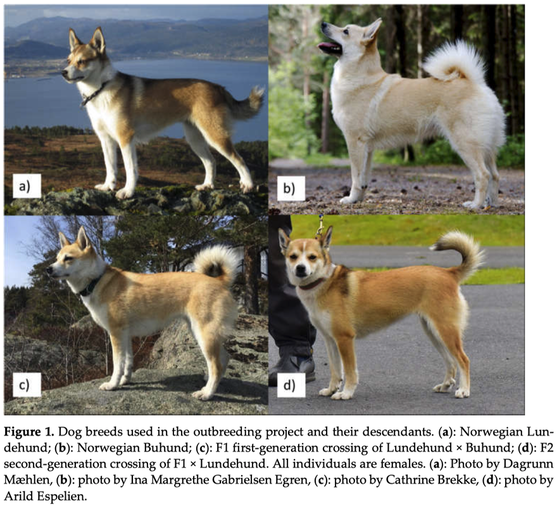
Picture
Melis et al 2022 Genetic Rescue of the highly inbred Norwegian Lundehund. Genes 13: 163.
If we can accomplish the restoration of a breed like the Lundehund to health in a few generations, it should be possible with any breed. You just have to do it. 

The laws protecting the welfare of animals are already on the books in countries around the world, including the US. If you are unaware of them, it is simply because they have not been enforced. But they apply to dogs just as they do to any other animal. Probably sooner than later, they will be enforced for dog breeding in the US as well, and no amount of protesting or lobbying is going to carve out an exception for breeders that will allow them to simply carry on without change. 

 
Stop worrying about puppy mills, the unethical and irresponsible breeders, and all the other groups that are usually blamed for the health problems of purebred dogs. Those folks will eventually need to abide by the law too.
 
Focus instead on the changes that need to be made in your breed so they meet the standards of health and welfare under the law. These standards are not unreasonable.
 
Can breeders do this? Of course they can. In fact, there is nobody better suited. Breeders have the experience in husbandry, the breed knowledge, and a commitment to prioritizing the health and welfare of dogs. Enlist the support and guidance of scientists and other experts so you can develop breeding strategies to solve problems in the most efficient, practical way. If you are going to put in the effort to do this, get expert help so it actually gets done, or that you at least minimize your risk of failure.
 
We have passed the tipping point. It’s clear the direction things will take from here. Dog breeders, like everybody else, are obligated by law to protect the welfare of dogs, and we should embrace this responsibility. It’s the right thing to do.
​
REFERENCES
​

Melis, C, C Pertoldi, WB Ludington, C Beuchat, G Qvigstad, & AV Stronen. 2022. Genetic rescue of the highly inbred Norwegian Lundehund. Genes 13: 163. ​https://doi.org/10.3390/ genes13010163

To learn more about the genetics of dogs, check out
ICB's online courses

***************************************

Visit our Facebook Groups

ICB Institute of Canine Biology
...the latest canine news and research

ICB Breeding for the Future
...the science of animal breeding
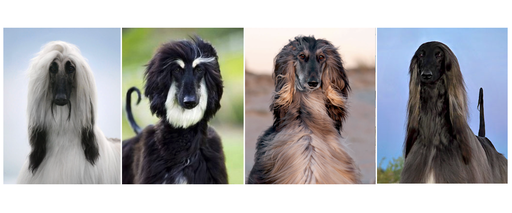
<<Previous
Forward>>

    Archives

    January 2030
    January 2026
    September 2025
    August 2025
    July 2025
    June 2025
    May 2025
    February 2025
    January 2025
    December 2024
    November 2024
    October 2024
    July 2024
    June 2024
    May 2024
    March 2024
    February 2024
    July 2023
    April 2023
    November 2022
    July 2022
    May 2022
    April 2022
    March 2022
    February 2022
    November 2021
    October 2021
    December 2020
    January 2020
    August 2019
    July 2019
    June 2019
    May 2019
    April 2019
    March 2019
    February 2019
    January 2019
    December 2018
    November 2018
    September 2018
    August 2018
    July 2018
    June 2018
    May 2018
    October 2017
    August 2017
    May 2017
    April 2017
    March 2017
    February 2017
    January 2017
    December 2016
    November 2016
    September 2016
    August 2016
    July 2016
    June 2016
    April 2016
    March 2016
    February 2016
    January 2016
    December 2015
    November 2015
    October 2015
    September 2015
    August 2015
    July 2015
    June 2015
    May 2015
    April 2015
    March 2015
    January 2015
    December 2014
    November 2014
    October 2014
    September 2014
    August 2014
    July 2014
    June 2014
    May 2014
    February 2014
    December 2013
    October 2013
    September 2013
    July 2013
    March 2013
    July 2012
    April 2012

    Categories

    All
    Behavior
    Border-collie
    Herding
Blog
News


About Us

Contact Us


Copyright © 2012-2017 Institute of Canine Biology
Picture
Picture